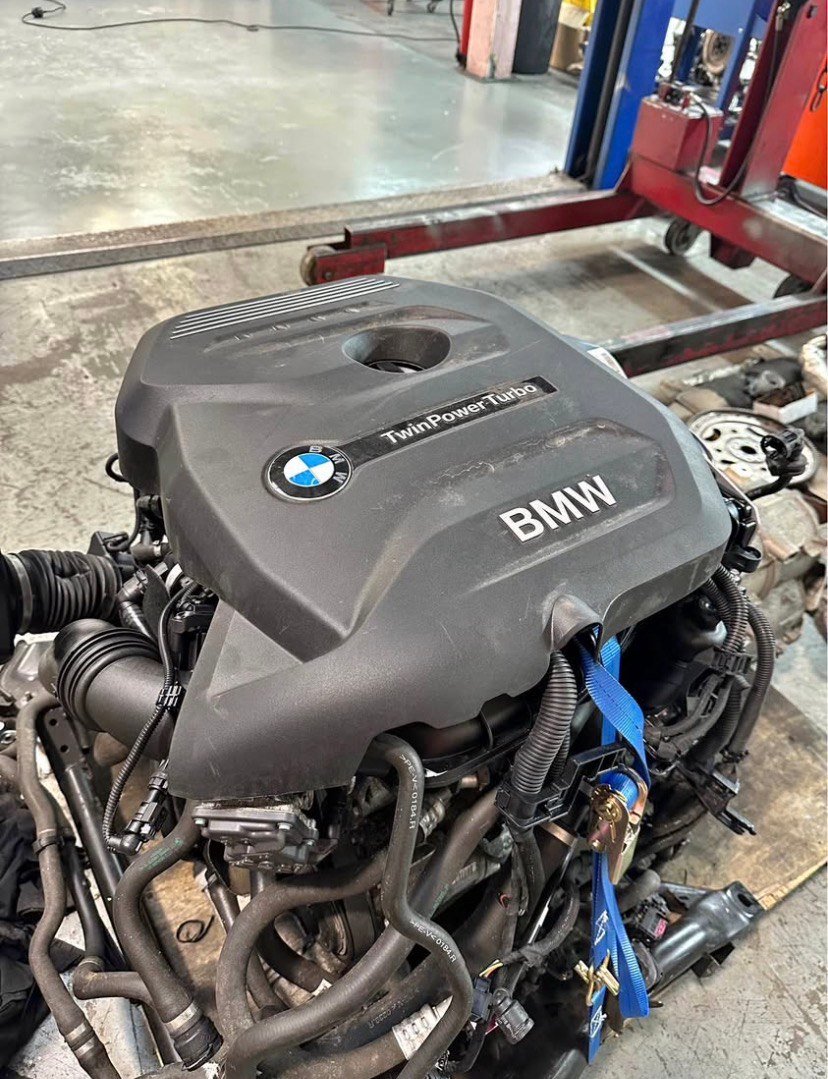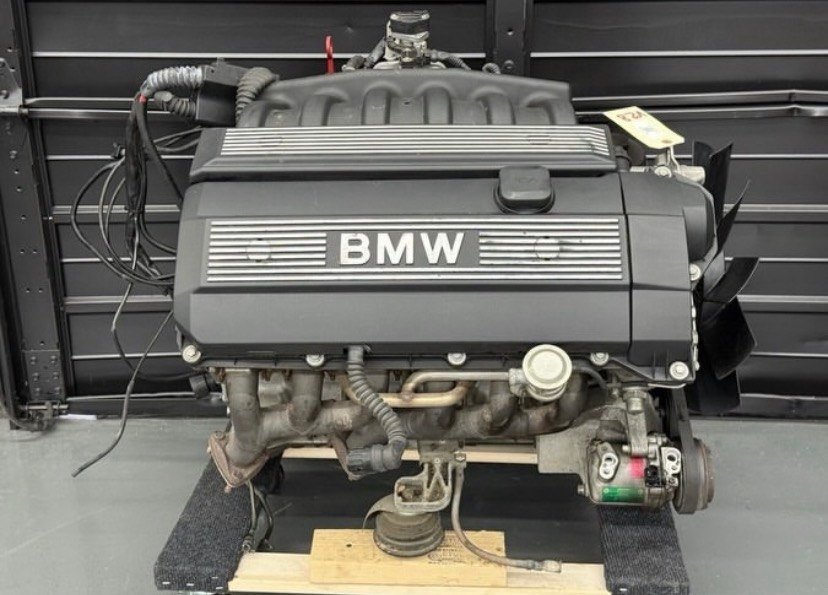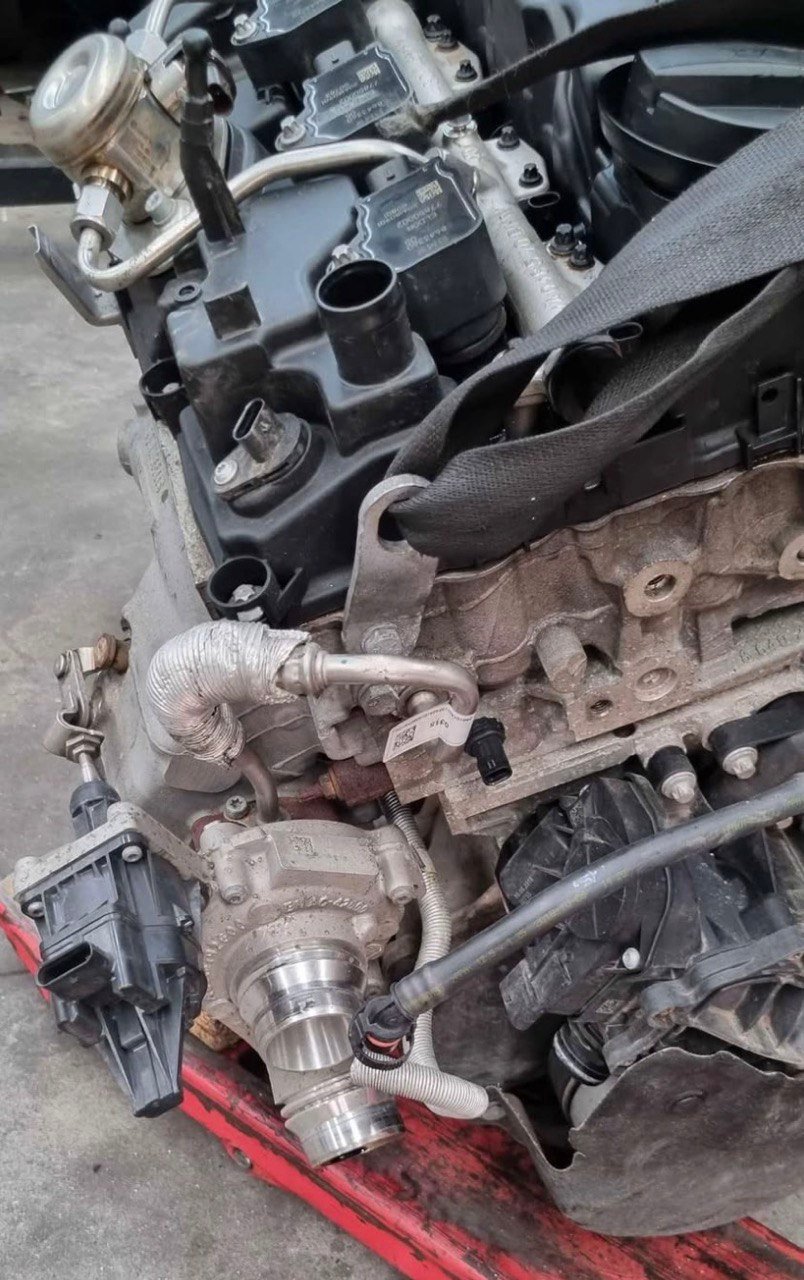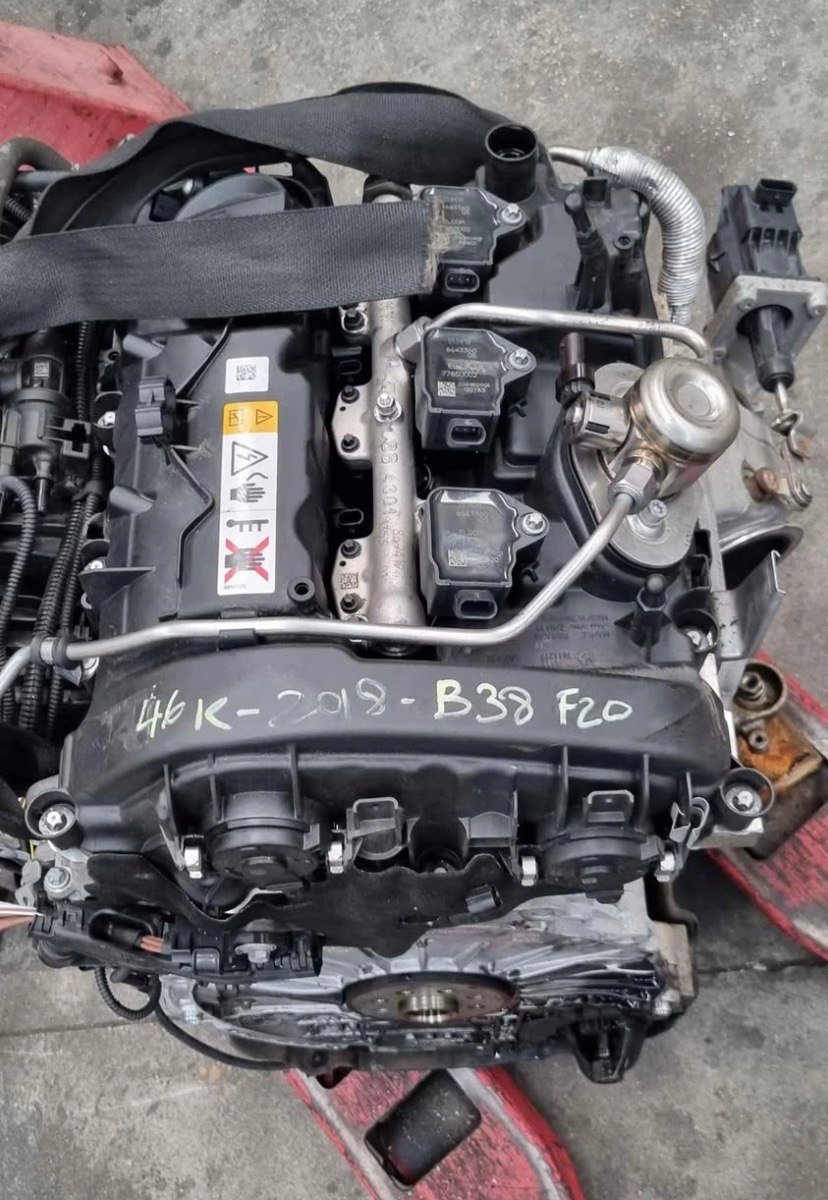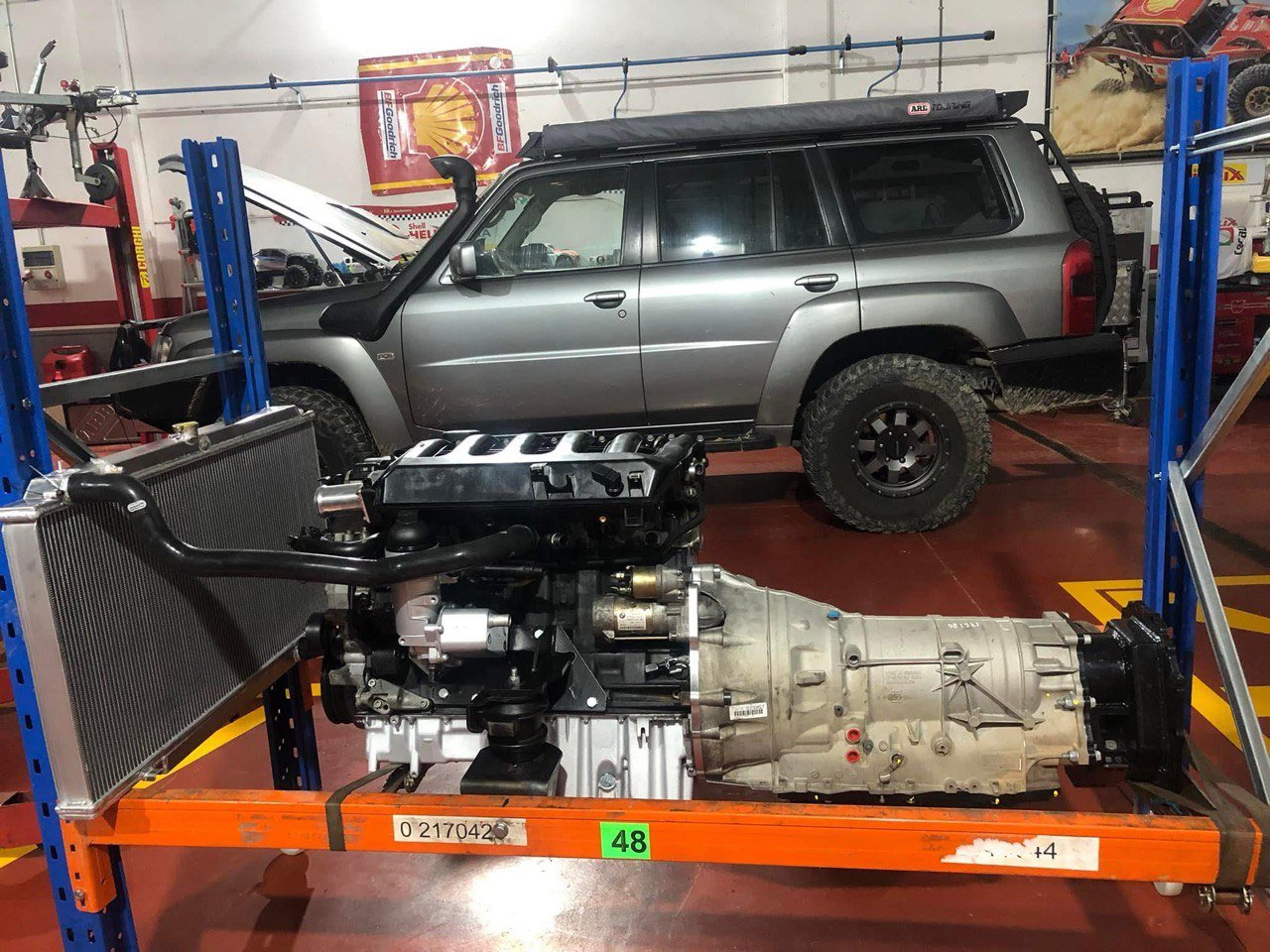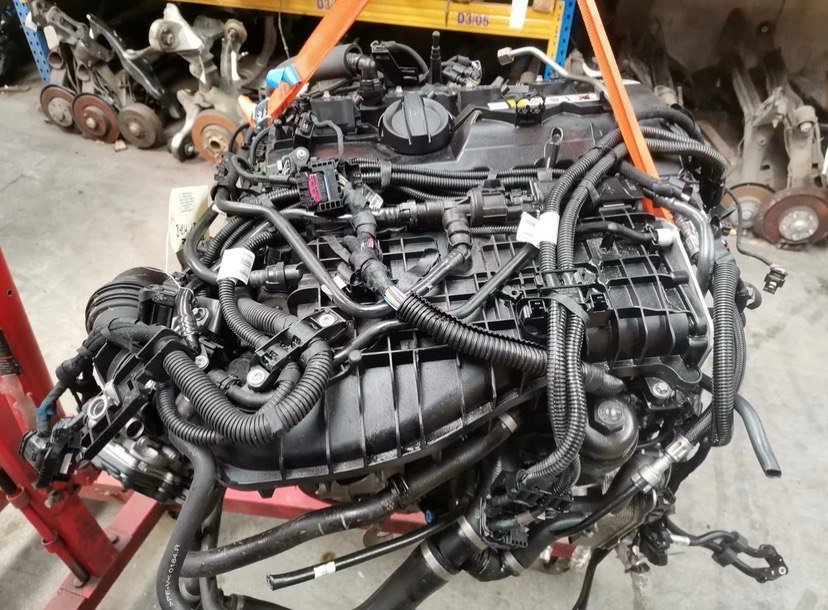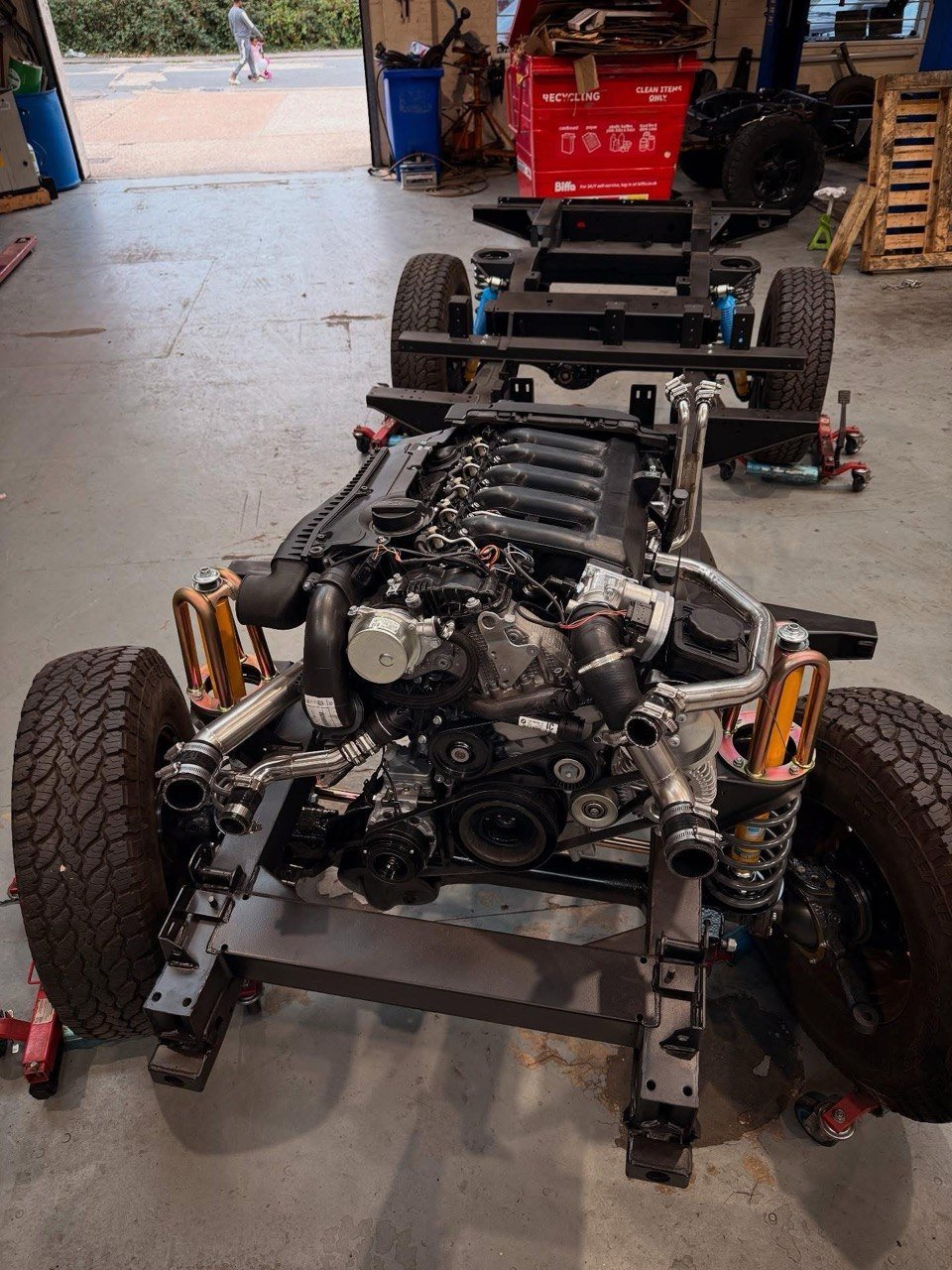
The E32 (1986 to 1994) and E38 (1994 to 2001) 7 Series used the M30 six, the M60 and M62 V8s, the M70 and M73 V12s and the M51, M57 and M67 diesels.
Buyers are restoring classic 7 Series or replacing tired engines. This guide covers every engine.
In total, 16 model and engine combinations are listed for the BMW E32 and E38 7 Series in our data, using 8 engine families: M70 and M73, M30, M60, M52, M62, M57 and M67. Production covered 1986–1994 and 1994–2001. We currently hold 708 engines that suit these cars.
Every BMW E32 and E38 7 Series engine at a glance
| Model | Engine code | Fuel | Power | Torque | Years |
|---|---|---|---|---|---|
| E32 750i | M70B50 | Petrol | 300 hp | 450 Nm | 1987–1994 |
| E32 735i | M30B35 | Petrol | 211 hp | 305 Nm | 1988–1994 |
| E32 730i | M60B30 | Petrol | 218 hp | 290 Nm | 1992–1996 |
| E32 740i | M60B40 | Petrol | 286 hp | 400 Nm | 1992–1996 |
| E38 750i | M73B54 | Petrol | 326 hp | 490 Nm | 1994–2001 |
| E38 728i | M52B28 | Petrol | 193 hp | 280 Nm | 1995–2000 |
| E38 735i | M62B35 | Petrol | 235 hp | 320 Nm | 1996–2003 |
| E38 740i | M62B44 | Petrol | 286 hp | 420 Nm | 1996–2003 |
| E38 728i | M52TUB28 | Petrol | 193 hp | 280 Nm | 1998–2000 |
| E38 730d | M57D30 | Diesel | 184 hp | 390 Nm | 1998–2005 |
| E38 740i | M62TUB44 | Petrol | 286 hp | 440 Nm | 1998–2005 |
| E38 750i | M73TUB54 | Petrol | 326 hp | 490 Nm | 1998–2001 |
| E38 750iL | M73TUB54 | Petrol | 326 hp | 490 Nm | 1998–2001 |
| E38 740d | M67D44 | Diesel | 330 hp | 750 Nm | 1999–2009 |
| E38 740d | M67D40 | Diesel | 245 hp | 560 Nm | 1999–2001 |
| E38 740d L | M67D40 | Diesel | 245 hp | 560 Nm | 1999–2001 |
BMW E32 and E38 7 Series: petrol engines
M70 and M73 in the BMW E32 and E38 7 Series
For the E32 750i, BMW fitted the M70B50 — 5.0 L, naturally aspirated, 300 hp.
BMW launched the M70 in 1987, effectively two M20 sixes joined on a common crank, with two separate engine management systems.
On the M70 and M73, our workshop watches for wiring harness, cooling and dual engine management. Keep the cooling system fresh. Check both ECUs before purchase.
Read our full M70 and M73 guide
M30 in the BMW E32 and E38 7 Series
The E32 735i uses the M30B35, a 3.5 L inline-6 rated at 211 hp and 305 Nm, built 1988–1994.
Introduced in 1968 at 2.5 and 2.8 litres, the M30 kept its iron block and single chain-driven camshaft throughout.
On the M30, our workshop watches for head gasket and cracked heads, cooling system age and rocker arm wear. Valve clearances are set with eccentric adjusters at about 0.30 mm cold. Keep the cooling system fresh and the fan clutch healthy.
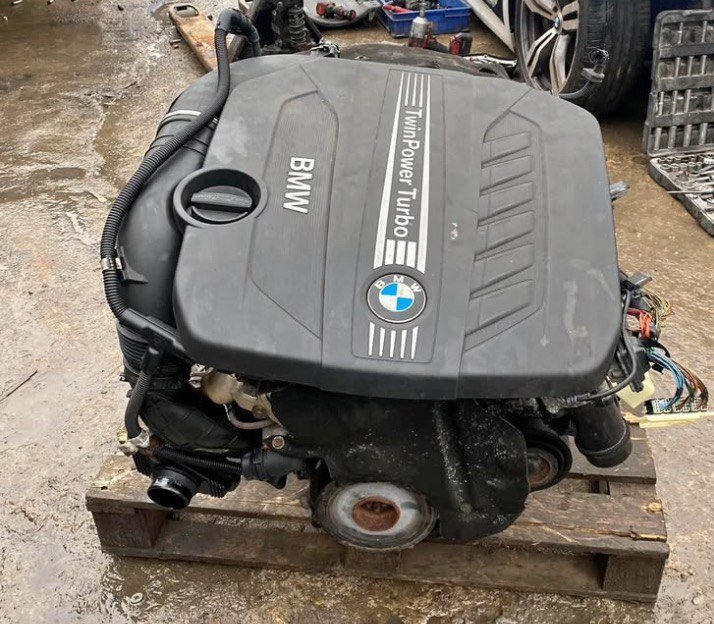
M60 in the BMW E32 and E38 7 Series
For the E32 730i, BMW fitted the M60B30 — 3.0 L, naturally aspirated, 218 hp.
The E32 740i uses the M60B40, a 4.0 L V8 rated at 286 hp and 400 Nm, built 1992–1996.
BMW designed the M60 with an aluminium block, Nikasil-coated bores, four valves per cylinder, two camshafts per bank and duplex timing chains.
On the M60, our workshop watches for nikasil bore damage, timing chain guides and tensioners and coolant leaks in the valley. Ask for a compression test before purchase. Replace the valley coolant pipes and water pump while the engine is out.
M70 and M73 in the BMW E32 and E38 7 Series
E38 750i: M73B54, 5.4 L, 326 hp and 490 Nm (1994–2001).
The E38 750i uses the M73TUB54, a 5.4 L V12 rated at 326 hp and 490 Nm, built 1998–2001.
E38 750iL: M73TUB54, 5.4 L, 326 hp and 490 Nm (1998–2001).
BMW launched the M70 in 1987, effectively two M20 sixes joined on a common crank, with two separate engine management systems.
On the M70 and M73, our workshop watches for wiring harness, cooling and dual engine management. Keep the cooling system fresh. Check both ECUs before purchase.
Read our full M70 and M73 guide
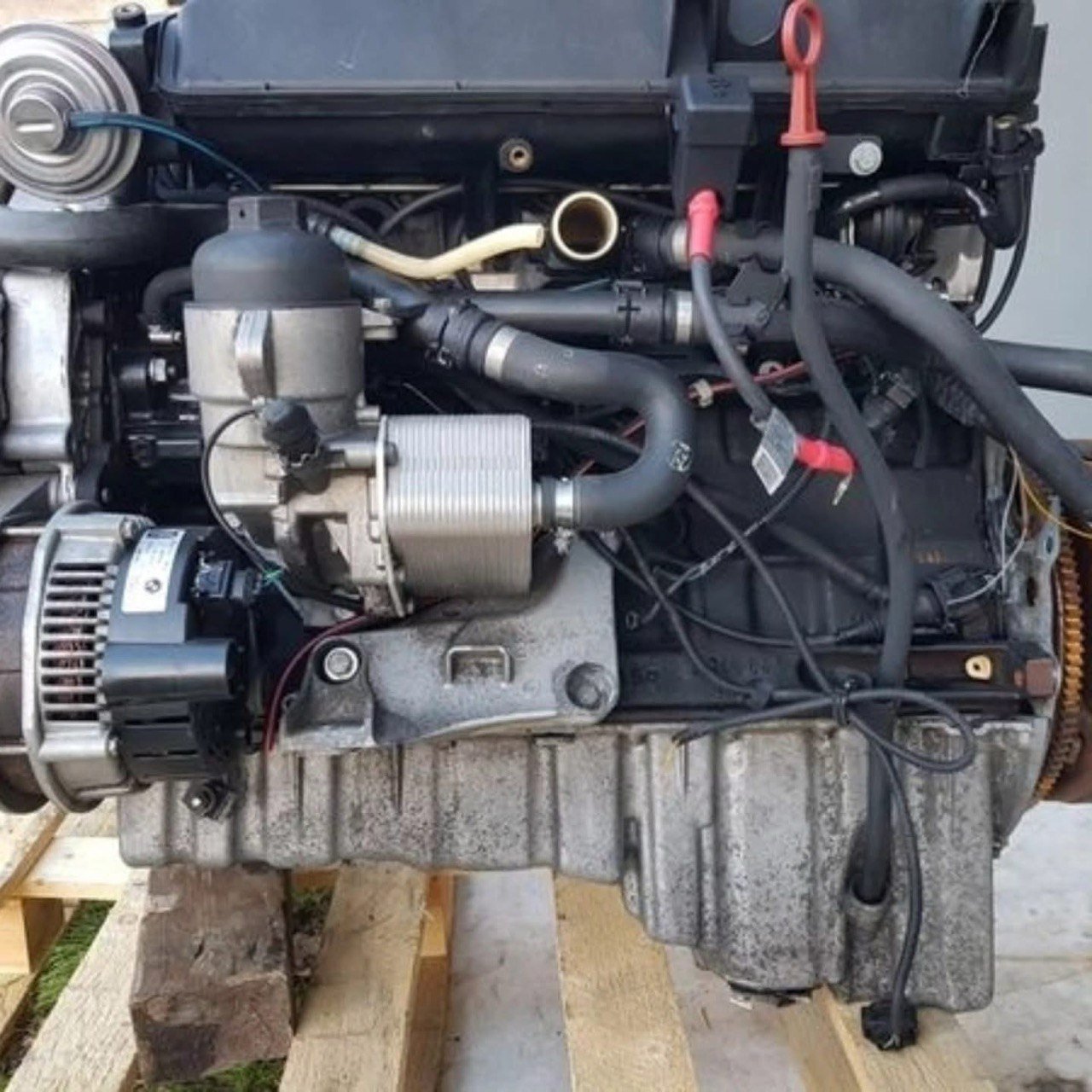
M52 in the BMW E32 and E38 7 Series
The E38 728i uses the M52B28, a 2.8 L inline-6 rated at 193 hp and 280 Nm, built 1995–2000.
The E38 728i uses the M52TUB28, a 2.8 L inline-6 rated at 193 hp and 280 Nm, built 1998–2000.
The M52 arrived in 1994 with an aluminium block, Nikasil cylinder coating in most markets and single VANOS.
On the M52, our workshop watches for nikasil bore wear, cooling system and vanos seals and solenoids. Ask whether the block is Nikasil or Alusil. Engines built from late 1998 use Alusil.
We have 22 M52 engines that suit the BMW E32 and E38 7 Series, from 1.301,00 €.
M62 in the BMW E32 and E38 7 Series
E38 735i: M62B35, 3.5 L, 235 hp and 320 Nm (1996–2003).
E38 740i: M62B44, 4.4 L, 286 hp and 420 Nm (1996–2003).
For the E38 740i, BMW fitted the M62TUB44 — 4.4 L, naturally aspirated, 286 hp.
BMW replaced the M60 with the M62 in 1996, moving from Nikasil to Alusil bores and from duplex to single-row timing chains.
On the M62, our workshop watches for timing chain guides, valve stem seals and valley coolant pipe. A timing guide kit, valley pipe O-rings and valve cover gaskets are the standard parts to fit with a used M62.
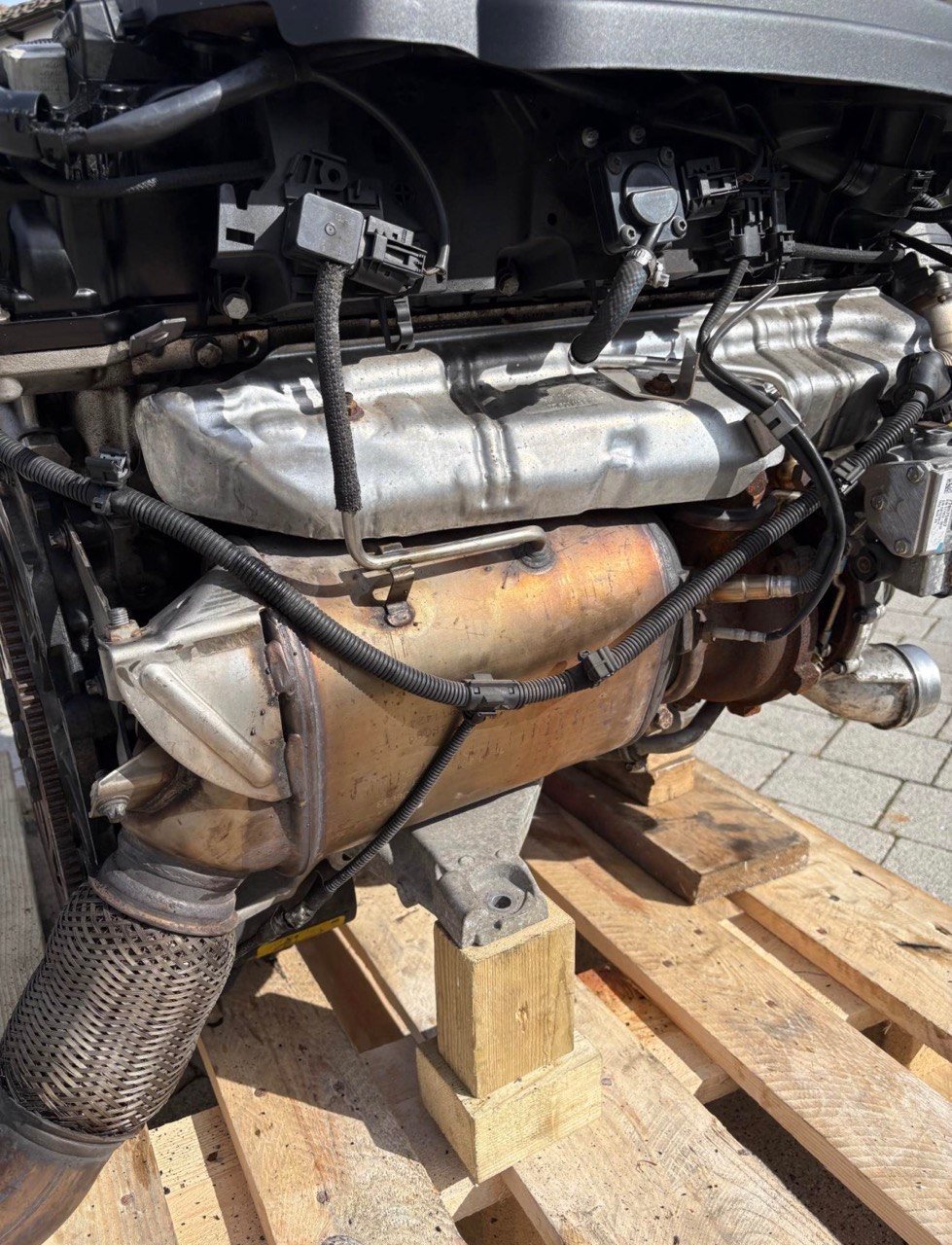
BMW E32 and E38 7 Series: diesel engines
M57 in the BMW E32 and E38 7 Series
For the E38 730d, BMW fitted the M57D30 — 3.0 L, turbocharged, 184 hp. See every M57D30 in stock.
BMW launched the M57 in 1998 with common-rail injection.
On the M57, our workshop watches for swirl flaps, egr valve and cooler and injectors. Fit swirl flap blanks when installing a used M57. Conversions need the right sump and wiring.
We have 686 M57 engines that suit the BMW E32 and E38 7 Series, from 376,00 €.
M67 in the BMW E32 and E38 7 Series
E38 740d: M67D44, 4.4 L, 330 hp and 750 Nm (1999–2009).
For the E38 740d, BMW fitted the M67D40 — 3.9 L, turbocharged, 245 hp.
The E38 740d L uses the M67D40, a 3.9 L V8 rated at 245 hp and 560 Nm, built 1999–2001.
BMW launched the M67 in 1999 with common-rail injection and twin turbos.
On the M67, our workshop watches for turbochargers, injectors and glow plugs and wiring. Ask for service history.
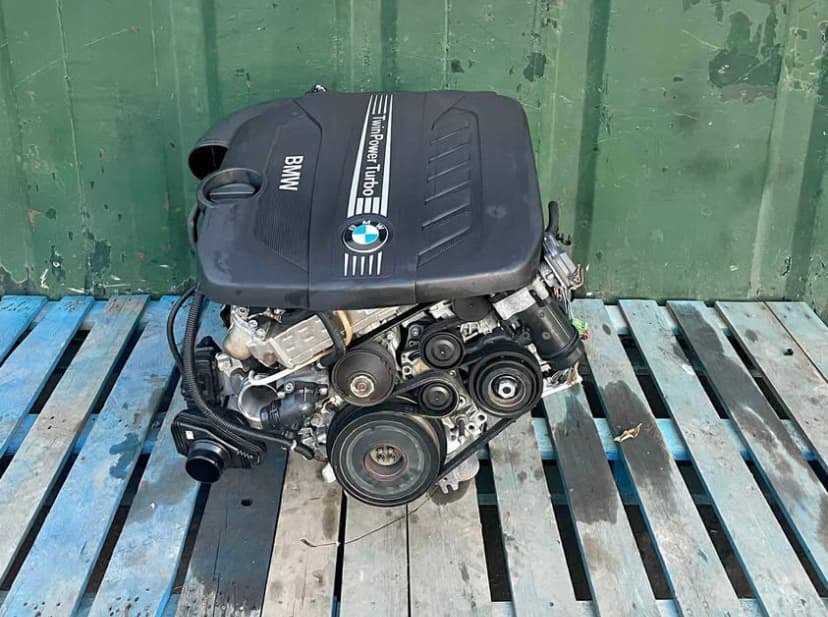
Will it fit? BMW E32 and E38 7 Series engine questions
Will the M52TUB28 fit my BMW E38 728i?
For the BMW E38 728i, the M52TUB28 is the factory engine and the one to order. The third 7 Series was built 1994–2001, and the M52TUB28 was produced 1998–2000, so check that your car's build date falls inside that window. Confirm the drive type (rear-drive or xDrive), the gearbox (manual or automatic) and the emissions standard, because these can change the sump, the flywheel and the software. Send us the VIN and we check all of it for you.
How much is a replacement engine for a BMW E38 728i?
We have 1 M52TUB28 engine from E38 donor cars, priced from 1.427,00 €. Delivery to your door is included, and the engine carries a 12-month warranty when fitted by a qualified workshop. Add fitting labour and the parts you replace at the same time — seals, cooling parts and mounts — to estimate the total.
Will the M57D30 fit my BMW E38 730d?
For the BMW E38 730d, the M57D30 is the factory engine and the one to order. The third 7 Series was built 1994–2001, and the M57D30 was produced 1998–2005, so check that your car's build date falls inside that window. Confirm the drive type (rear-drive or xDrive), the gearbox (manual or automatic) and the emissions standard, because these can change the sump, the flywheel and the software. Send us the VIN and we check all of it for you.
How much is a replacement engine for a BMW E38 730d?
We have 475 M57D30 engines in stock, priced from 376,00 € to 4.348,00 €. Delivery to your door is included, and the engine carries a 12-month warranty when fitted by a qualified workshop. Add fitting labour and the parts you replace at the same time — seals, cooling parts and mounts — to estimate the total.
Will the M62TUB44 fit my BMW E38 740i?
The M62TUB44 is the original engine for the BMW E38 740i, which makes it the straightforward choice. The third 7 Series was built 1994–2001, and the M62TUB44 was produced 1998–2005, so check that your car's build date falls inside that window. Confirm the drive type (rear-drive or xDrive), the gearbox (manual or automatic) and the emissions standard, because these can change the sump, the flywheel and the software. Send us the VIN and we check all of it for you.
How much is a replacement engine for a BMW E38 740i?
We do not have an M62TUB44 on the shelf for the E38 740i at the moment. Units arrive regularly; send us your VIN and we will tell you when the next one is ready and what it will cost, including delivery.
Will the M73TUB54 fit my BMW E38 750i?
For the BMW E38 750i, the M73TUB54 is the factory engine and the one to order. The third 7 Series was built 1994–2001, and the M73TUB54 was produced 1998–2001, so check that your car's build date falls inside that window. Confirm the drive type (rear-drive or xDrive), the gearbox (manual or automatic) and the emissions standard, because these can change the sump, the flywheel and the software. Send us the VIN and we check all of it for you.
How much is a replacement engine for a BMW E38 750i?
We do not have an M73TUB54 on the shelf for the E38 750i at the moment. Units arrive regularly; send us your VIN and we will tell you when the next one is ready and what it will cost, including delivery.
Will the M73TUB54 fit my BMW E38 750iL?
Yes, the BMW E38 750iL left the factory with the M73TUB54, so an M73TUB54 from another car is the direct replacement. The third 7 Series was built 1994–2001, and the M73TUB54 was produced 1998–2001, so check that your car's build date falls inside that window. Confirm the drive type (rear-drive or xDrive), the gearbox (manual or automatic) and the emissions standard, because these can change the sump, the flywheel and the software. Send us the VIN and we check all of it for you.
How much is a replacement engine for a BMW E38 750iL?
We do not have an M73TUB54 on the shelf for the E38 750iL at the moment. Units arrive regularly; send us your VIN and we will tell you when the next one is ready and what it will cost, including delivery.
Will the M67D44 fit my BMW E38 740d?
Yes, the BMW E38 740d left the factory with the M67D44, so an M67D44 from another car is the direct replacement. The third 7 Series was built 1994–2001, and the M67D44 was produced 1999–2009, so check that your car's build date falls inside that window. Confirm the drive type (rear-drive or xDrive), the gearbox (manual or automatic) and the emissions standard, because these can change the sump, the flywheel and the software. Send us the VIN and we check all of it for you.
How much is a replacement engine for a BMW E38 740d?
We do not have an M67D44 on the shelf for the E38 740d at the moment. Units arrive regularly; send us your VIN and we will tell you when the next one is ready and what it will cost, including delivery.
Will the M67D40 fit my BMW E38 740d?
The M67D40 is the original engine for the BMW E38 740d, which makes it the straightforward choice. The third 7 Series was built 1994–2001, and the M67D40 was produced 1999–2001, so check that your car's build date falls inside that window. Confirm the drive type (rear-drive or xDrive), the gearbox (manual or automatic) and the emissions standard, because these can change the sump, the flywheel and the software. Send us the VIN and we check all of it for you.
How much is a replacement engine for a BMW E38 740d?
We do not have an M67D40 on the shelf for the E38 740d at the moment. Units arrive regularly; send us your VIN and we will tell you when the next one is ready and what it will cost, including delivery.
Will the M67D40 fit my BMW E38 740d L?
For the BMW E38 740d L, the M67D40 is the factory engine and the one to order. The third 7 Series was built 1994–2001, and the M67D40 was produced 1999–2001, so check that your car's build date falls inside that window. Confirm the drive type (rear-drive or xDrive), the gearbox (manual or automatic) and the emissions standard, because these can change the sump, the flywheel and the software. Send us the VIN and we check all of it for you.
How much is a replacement engine for a BMW E38 740d L?
We do not have an M67D40 on the shelf for the E38 740d L at the moment. Units arrive regularly; send us your VIN and we will tell you when the next one is ready and what it will cost, including delivery.
Engine swap questions for the BMW E32 and E38 7 Series
Owners often ask whether a more powerful engine from another BMW E32 and E38 7 Series model can be fitted. These answers show what each upgrade involves.
Can I fit the M73TUB54 from the E38 750i into an E32 750i?
It is possible, and it is one of the more common upgrades. Both engines are petrol V12 units, so the engine bay and mounting points are similar, but the M73TUB54 needs its own wiring harness and ECU, the matching gearbox or clutch, and often a different sump, cooling and exhaust. The gain is 26 hp and 40 Nm. In Germany and most of Europe a swap must be inspected and registered; check with your testing station first.
Can I fit the M73TUB54 from the E38 750iL into an E32 750i?
It is possible, and it is one of the more common upgrades. Both engines are petrol V12 units, so the engine bay and mounting points are similar, but the M73TUB54 needs its own wiring harness and ECU, the matching gearbox or clutch, and often a different sump, cooling and exhaust. The gain is 26 hp and 40 Nm. In Germany and most of Europe a swap must be inspected and registered; check with your testing station first.
Can I fit the M60B30 from the E32 730i into an E32 735i?
It is a conversion rather than a replacement. The M60B30 is a V8 and the M30B35 an inline-6, so mounts, sump, cooling, exhaust, wiring and ECU all change. The gain is 7 hp and 0 Nm. In Germany and most of Europe a swap must be inspected and registered; check with your testing station first.
Can I fit the M67D40 from the E38 740d L into an E32 735i?
It is a full conversion: the M67D40 runs on diesel and the M30B35 on petrol, so the fuel system, wiring, ECU, instrument coding and usually the gearbox change too. The gain is 34 hp and 255 Nm. In Germany and most of Europe a swap must be inspected and registered; check with your testing station first.
Can I fit the M67D40 from the E38 740d into an E32 730i?
It is a full conversion: the M67D40 runs on diesel and the M60B30 on petrol, so the fuel system, wiring, ECU, instrument coding and usually the gearbox change too. The gain is 27 hp and 270 Nm. In Germany and most of Europe a swap must be inspected and registered; check with your testing station first.
Can I fit the M73TUB54 from the E38 750iL into an E32 730i?
It is a conversion rather than a replacement. The M73TUB54 is a V12 and the M60B30 a V8, so mounts, sump, cooling, exhaust, wiring and ECU all change. The gain is 108 hp and 200 Nm. In Germany and most of Europe a swap must be inspected and registered; check with your testing station first.
Can I fit the M70B50 from the E32 750i into an E32 740i?
It is a conversion rather than a replacement. The M70B50 is a V12 and the M60B40 a V8, so mounts, sump, cooling, exhaust, wiring and ECU all change. The gain is 14 hp and 50 Nm. In Germany and most of Europe a swap must be inspected and registered; check with your testing station first.
Can I fit the M73TUB54 from the E38 750i into an E32 740i?
It is a conversion rather than a replacement. The M73TUB54 is a V12 and the M60B40 a V8, so mounts, sump, cooling, exhaust, wiring and ECU all change. The gain is 40 hp and 90 Nm. In Germany and most of Europe a swap must be inspected and registered; check with your testing station first.
Can I fit the M30B35 from the E32 735i into an E38 728i?
It is possible, and it is one of the more common upgrades. Both engines are petrol inline-6 units, so the engine bay and mounting points are similar, but the M30B35 needs its own wiring harness and ECU, the matching gearbox or clutch, and often a different sump, cooling and exhaust. The gain is 18 hp and 25 Nm. In Germany and most of Europe a swap must be inspected and registered; check with your testing station first.
Can I fit the M62B35 from the E38 735i into an E38 728i?
It is a conversion rather than a replacement. The M62B35 is a V8 and the M52TUB28 an inline-6, so mounts, sump, cooling, exhaust, wiring and ECU all change. The gain is 42 hp and 40 Nm. In Germany and most of Europe a swap must be inspected and registered; check with your testing station first.
Can I fit the M67D40 from the E38 740d L into an E38 735i?
It is a full conversion: the M67D40 runs on diesel and the M62B35 on petrol, so the fuel system, wiring, ECU, instrument coding and usually the gearbox change too. The gain is 10 hp and 240 Nm. In Germany and most of Europe a swap must be inspected and registered; check with your testing station first.
Can I fit the M70B50 from the E32 750i into an E38 735i?
It is a conversion rather than a replacement. The M70B50 is a V12 and the M62B35 a V8, so mounts, sump, cooling, exhaust, wiring and ECU all change. The gain is 65 hp and 130 Nm. In Germany and most of Europe a swap must be inspected and registered; check with your testing station first.
Can I fit the M70B50 from the E32 750i into an E38 740i?
It is a conversion rather than a replacement. The M70B50 is a V12 and the M62TUB44 a V8, so mounts, sump, cooling, exhaust, wiring and ECU all change. The gain is 14 hp and 10 Nm. In Germany and most of Europe a swap must be inspected and registered; check with your testing station first.
Can I fit the M73TUB54 from the E38 750i into an E38 740i?
It is a conversion rather than a replacement. The M73TUB54 is a V12 and the M62TUB44 a V8, so mounts, sump, cooling, exhaust, wiring and ECU all change. The gain is 40 hp and 50 Nm. In Germany and most of Europe a swap must be inspected and registered; check with your testing station first.
Can I fit the M60B40 from the E32 740i into an E38 730d?
It is a full conversion: the M60B40 runs on petrol and the M57D30 on diesel, so the fuel system, wiring, ECU, instrument coding and usually the gearbox change too. The gain is 102 hp and 10 Nm. In Germany and most of Europe a swap must be inspected and registered; check with your testing station first.
Can I fit the M62TUB44 from the E38 740i into an E38 730d?
It is a full conversion: the M62TUB44 runs on petrol and the M57D30 on diesel, so the fuel system, wiring, ECU, instrument coding and usually the gearbox change too. The gain is 102 hp and 50 Nm. In Germany and most of Europe a swap must be inspected and registered; check with your testing station first.
Can I fit the M60B40 from the E32 740i into an E38 740d?
It is a full conversion: the M60B40 runs on petrol and the M67D40 on diesel, so the fuel system, wiring, ECU, instrument coding and usually the gearbox change too. The gain is 41 hp and 0 Nm. In Germany and most of Europe a swap must be inspected and registered; check with your testing station first.
Can I fit the M62TUB44 from the E38 740i into an E38 740d?
It is a full conversion: the M62TUB44 runs on petrol and the M67D40 on diesel, so the fuel system, wiring, ECU, instrument coding and usually the gearbox change too. The gain is 41 hp and 0 Nm. In Germany and most of Europe a swap must be inspected and registered; check with your testing station first.
Can I fit the M70B50 from the E32 750i into an E38 740d L?
It is a full conversion: the M70B50 runs on petrol and the M67D40 on diesel, so the fuel system, wiring, ECU, instrument coding and usually the gearbox change too. The gain is 55 hp and 0 Nm. In Germany and most of Europe a swap must be inspected and registered; check with your testing station first.
Can I fit the M73TUB54 from the E38 750i into an E38 740d L?
It is a full conversion: the M73TUB54 runs on petrol and the M67D40 on diesel, so the fuel system, wiring, ECU, instrument coding and usually the gearbox change too. The gain is 81 hp and 0 Nm. In Germany and most of Europe a swap must be inspected and registered; check with your testing station first.
Fitment and swap notes for the BMW E32 and E38 7 Series
- V12 engines use two separate engine management systems.
- M60 V8s have Nikasil bores.
- The 740d uses the M67 V8 diesel.
Engines from the same family usually share mounts and gearbox bolt patterns, but wiring, ECU, sump and cooling differ between versions. Moving to a different family is a conversion, not a replacement.
M70 and M73: Few tuning options exist. Owners keep the V12 standard.
M30: M30 owners often fit a 3.5 litre unit in place of a 2.8 or 3.0, or build a turbocharged M30 using the strong bottom end. Head work and cam upgrades suit naturally aspirated builds.
M60: Tuning gains are small. Most owners who want more torque fit an M62B44 in place of an M60B40, using the M62 wiring and management.
M70 and M73: Few tuning options exist. Owners keep the V12 standard.
M52: The M52B28 is the base for many E36 builds: an S52 or M50 intake manifold, a remap and a better exhaust wake it up. Strokers to 3.0 litres use M54B30 parts.
M62: Supercharger kits exist for the M62 and the 4.6is is a popular upgrade for X5 owners. Most buyers fit a standard engine to restore a car rather than to tune it.
M57: Remaps add around 50 hp. The M57 is one of the best diesel conversion engines.
M67: Remaps add around 50 hp.
Known problems by engine in the BMW E32 and E38 7 Series
M70 and M73
- Wiring harness. Inspect the harness near the heads.
- Cooling. Pressure-test the system.
- Dual engine management. Read both ECUs for fault codes.
- Fuel system. Check fuel pressure.
M30
- Head gasket and cracked heads. Do a compression test and look for bubbles in the expansion tank with the engine running.
- Cooling system age. Check the fan clutch resistance hot and the radiator for blocked cores.
- Rocker arm wear. Inspect the cam surface with the valve cover off.
- Timing chain tensioner. Listen for a cold-start rattle at the front of the engine.
- Oil pressure sender and leaks. Check for oil around the filter housing and the bellhousing.
M60
- Nikasil bore damage. A cold and hot compression test or a leak-down test on all eight cylinders is the only reliable check.
- Timing chain guides and tensioners. Listen for a rattle on a cold start, especially from the front of either bank.
- Coolant leaks in the valley. Look at the back of the engine for coolant trails and pressure-test the system.
- Valve cover and spark plug tube gaskets. Pull a coil and check the well for oil.
- Engine wiring harness. Flex the harness gently and look for cracked insulation near the heads.
M70 and M73
- Wiring harness. Inspect the harness near the heads.
- Cooling. Pressure-test the system.
- Dual engine management. Read both ECUs for fault codes.
- Fuel system. Check fuel pressure.
M52
- Nikasil bore wear. A compression or leak-down test is the only reliable check; Alusil and iron-block units are not affected.
- Cooling system. Look at the date of the last cooling refresh and check for a metal impeller.
- VANOS seals and solenoids. Listen for a diesel-like rattle at idle and check for torque loss low down.
- DISA valve (M52TU). Remove the DISA valve and check the flap pin for play.
- Crankcase ventilation. Look for oil in the intake and smoke on start.
M62
- Timing chain guides. Remove the valve covers and inspect the upper guides; replace all guides when fitting a used engine.
- Valve stem seals. Watch the exhaust after a cold start and after a long idle.
- Valley coolant pipe. Look for coolant at the back of the engine and pressure-test the system.
- Water pump and thermostat. Look for coolant trails at the front of the engine.
- VANOS (M62TU). Read the VANOS fault memory.
M57
- Swirl flaps. Check whether the flaps have been removed or replaced with blanks.
- EGR valve and cooler. Check for EGR fault codes and coolant loss.
- Injectors. Read injector correction values.
- Turbocharger. Check shaft play and actuator movement.
- Thermostat and viscous fan. Check the coolant temperature.
M67
- Turbochargers. Check shaft play and smoke.
- Injectors. Read injector correction values.
- Glow plugs and wiring. Check the glow system.
How to identify the right engine for your BMW E32 and E38 7 Series
Start with the VIN. The last seven characters identify your car in BMW's systems, and from them we can confirm the engine code, the production date, the gearbox and whether the car has xDrive. That is the only reliable way to order.
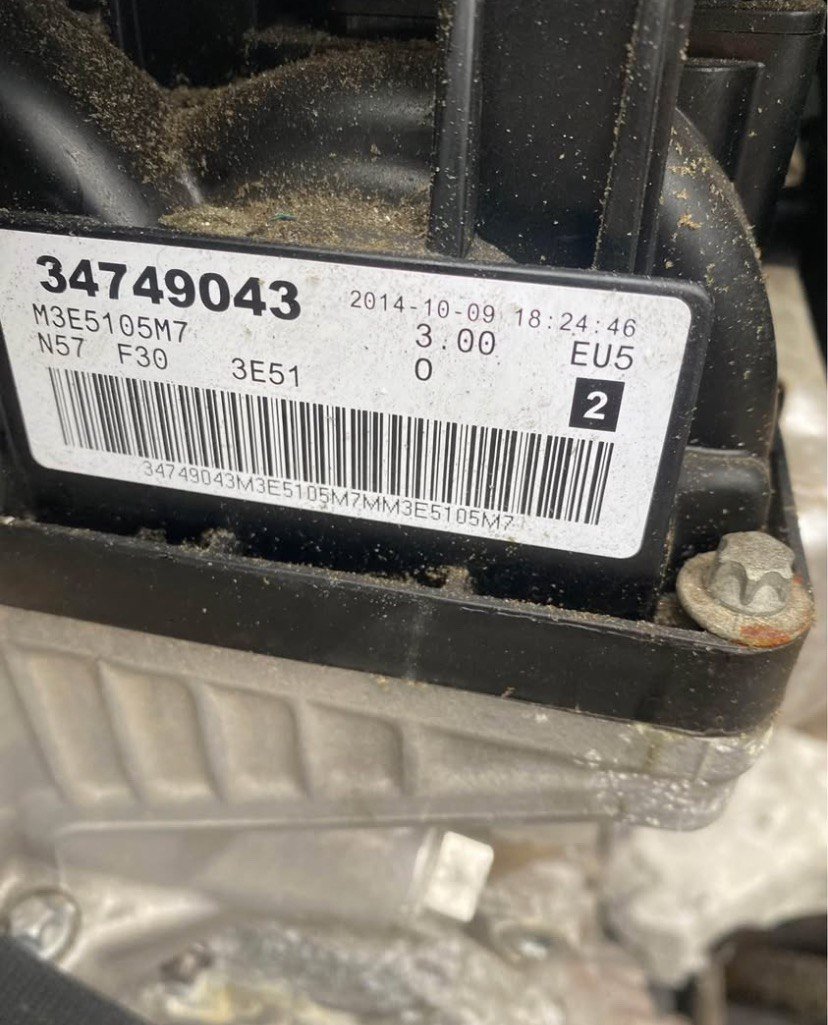
Next, check the stamp on the block. On most BMW four- and six-cylinder engines it sits on the left side of the block below the intake; on V engines it is usually at the back near the gearbox. The stamp shows the engine code and serial number.
Finally, compare the ancillaries. Two engines with the same code can carry different turbos, injectors, manifolds or sensors depending on the model and market. Our listings show what is fitted to each unit.
BMW E32 and E38 7 Series engine prices
Across 708 BMW E32 and E38 7 Series engine units in our stock today, prices start at 376,00 € and reach 4.907,00 €. The median — the price in the middle of the range — is 2.523,00 €.
Prices depend on the exact version, the donor's mileage, how complete the engine is and the demand for that code. Higher-output versions, low mileage and dressed engines with turbo, injectors and ancillaries cost more; long blocks and higher mileage cost less.
BMW E32 and E38 7 Series engine prices by model year
| Model years | Units | From | Median | To |
|---|---|---|---|---|
| 1995–1999 | 2 | 1.339,00 € | 1.413,00 € | 1.413,00 € |
| 2000–2004 | 96 | 376,00 € | 2.282,00 € | 4.248,00 € |
| 2005–2009 | 371 | 801,00 € | 2.520,00 € | 4.303,00 € |
| 2010–2014 | 140 | 849,00 € | 3.030,00 € | 3.962,00 € |
| 2015–2019 | 16 | 1.239,00 € | 2.049,00 € | 3.439,00 € |
| 2020–2024 | 9 | 1.054,00 € | 2.794,00 € | 4.189,00 € |
Engines from 1995–1999 have a median of 1.413,00 €, while units from 2020–2024 sit at 2.794,00 €. Newer engines usually cost more because they come from younger donor cars with lower mileage and later updates.
BMW E32 and E38 7 Series engine prices by mileage
| Donor mileage | Units | From | Median |
|---|---|---|---|
| under 50,000 km | 71 | 1.459,00 € | 2.599,00 € |
| 50,000 to 100,000 km | 160 | 803,00 € | 2.561,00 € |
| 100,000 to 150,000 km | 134 | 1.559,00 € | 2.521,00 € |
| over 150,000 km | 171 | 853,00 € | 2.685,00 € |
Mileage matters less than history on a well-maintained BMW engine, but it is a useful guide. A low-mileage unit from a younger car gives you more life for a modest premium.
| Engine family | Units in stock | From | Median |
|---|---|---|---|
| M52 | 22 | 1.301,00 € | 1.551,00 € |
| M57 | 686 | 376,00 € | 2.548,00 € |
BMW E32 and E38 7 Series engines in stock now
These BMW E32 and E38 7 Series engine units are in our Hamburg yard right now. Each listing shows real photographs of the engine you receive, its mileage and what is fitted.
 BMW E61 525d M57D25TU Engine 2005, 55,600 km2.293,00 €
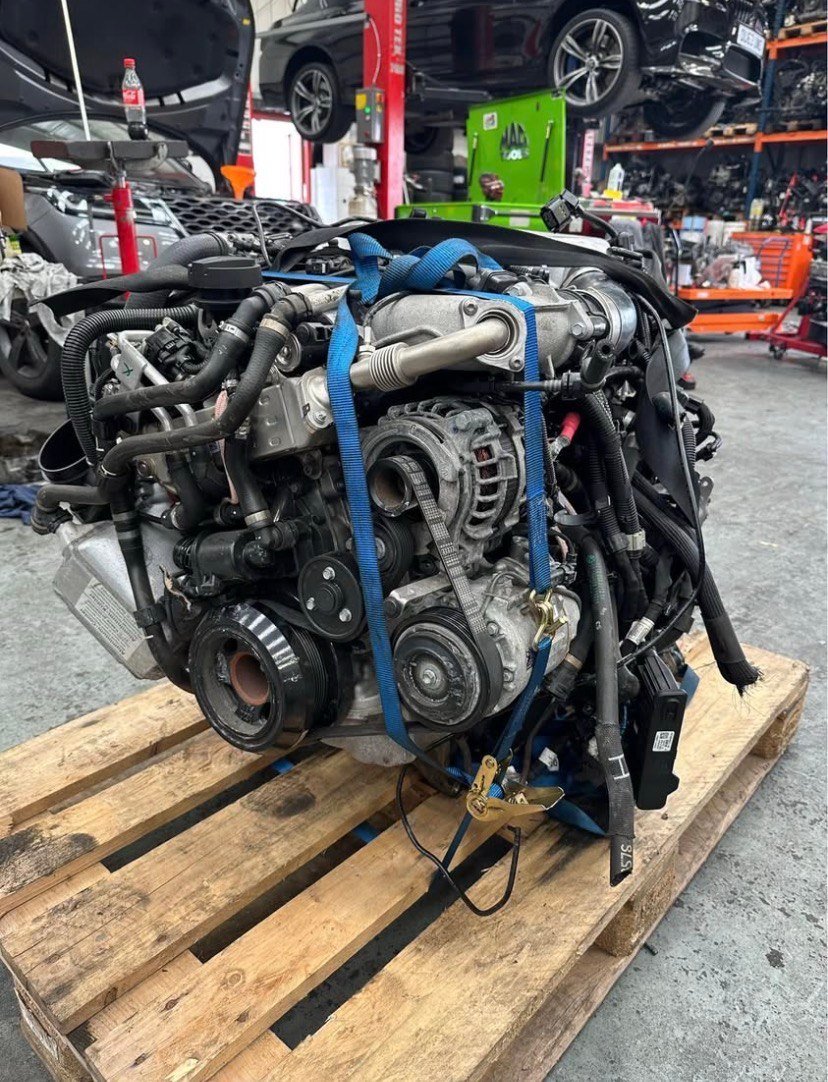 BMW E61 535d M57D30TU2 Engine 2006, 58,000 km3.184,00 €
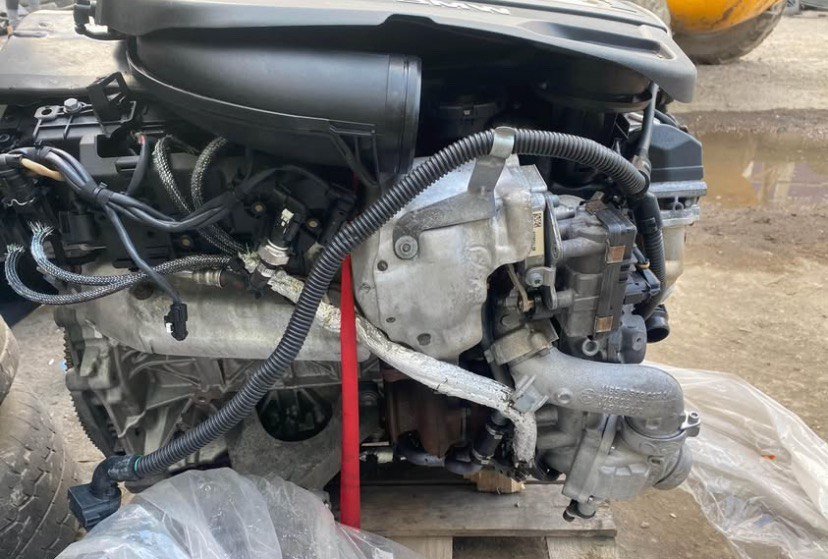 BMW E60 525d M57D25TU Engine 2004, 39,900 km1.805,00 €
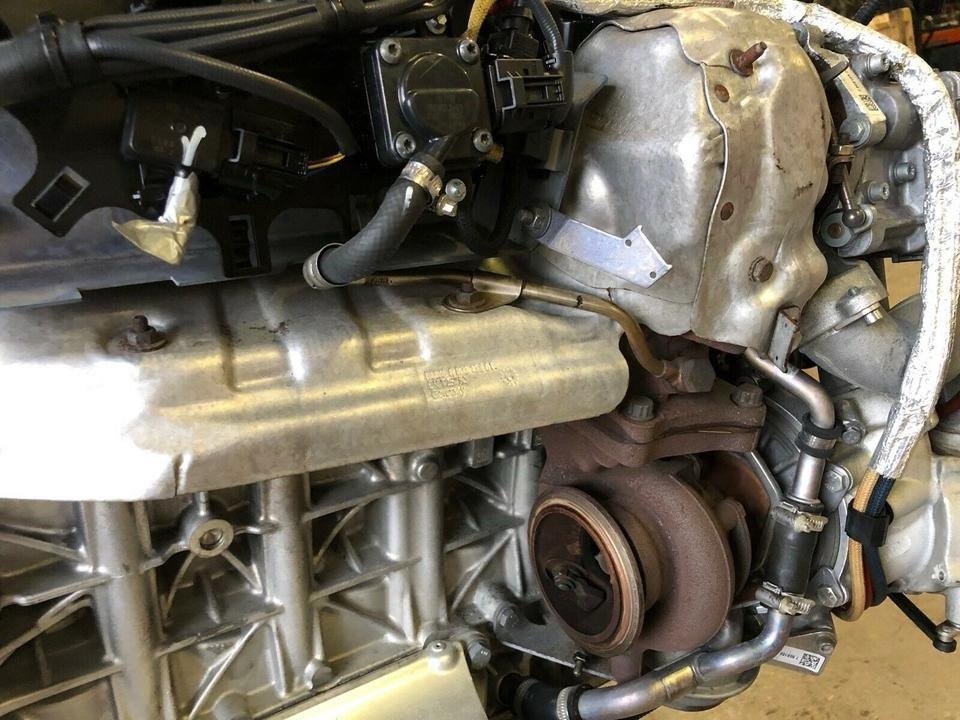 BMW E53 X5 3.0d M57D30TU Engine 2007, 160,400 km2.810,00 €
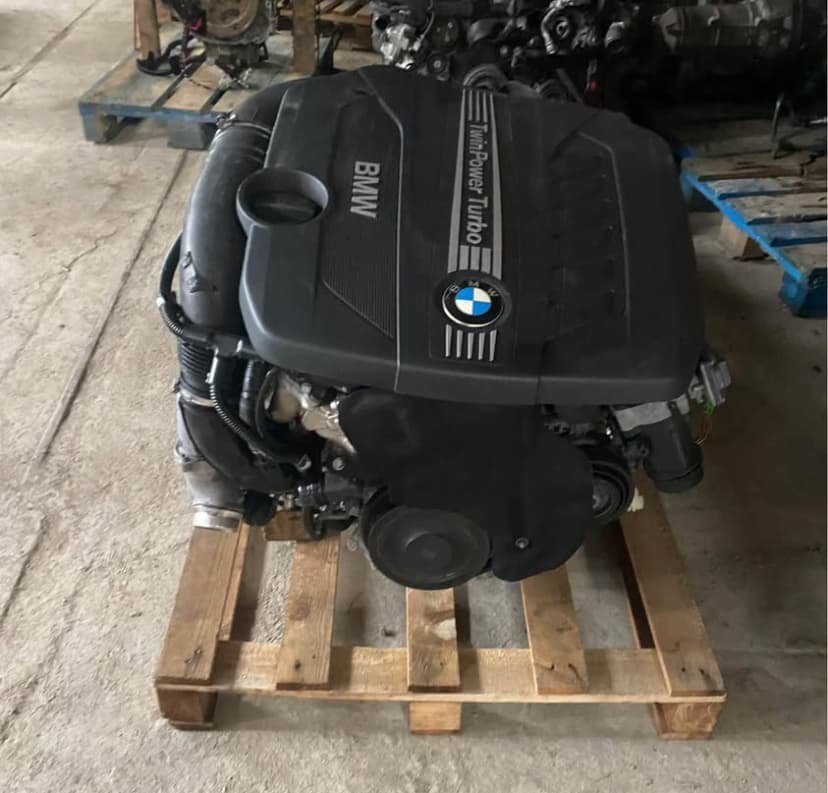 BMW E60 530d M57D30TU Engine 2003, 193,900 km2.628,00 €
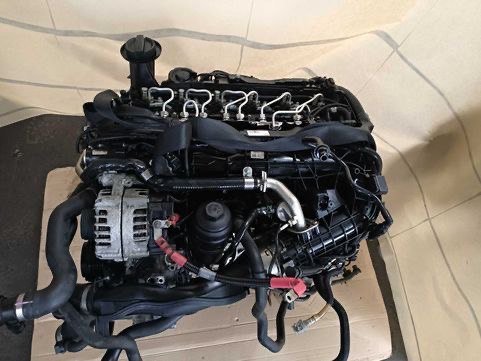 BMW E61 535d M57D30TU2 Engine 2012, 43,500 km2.998,00 €
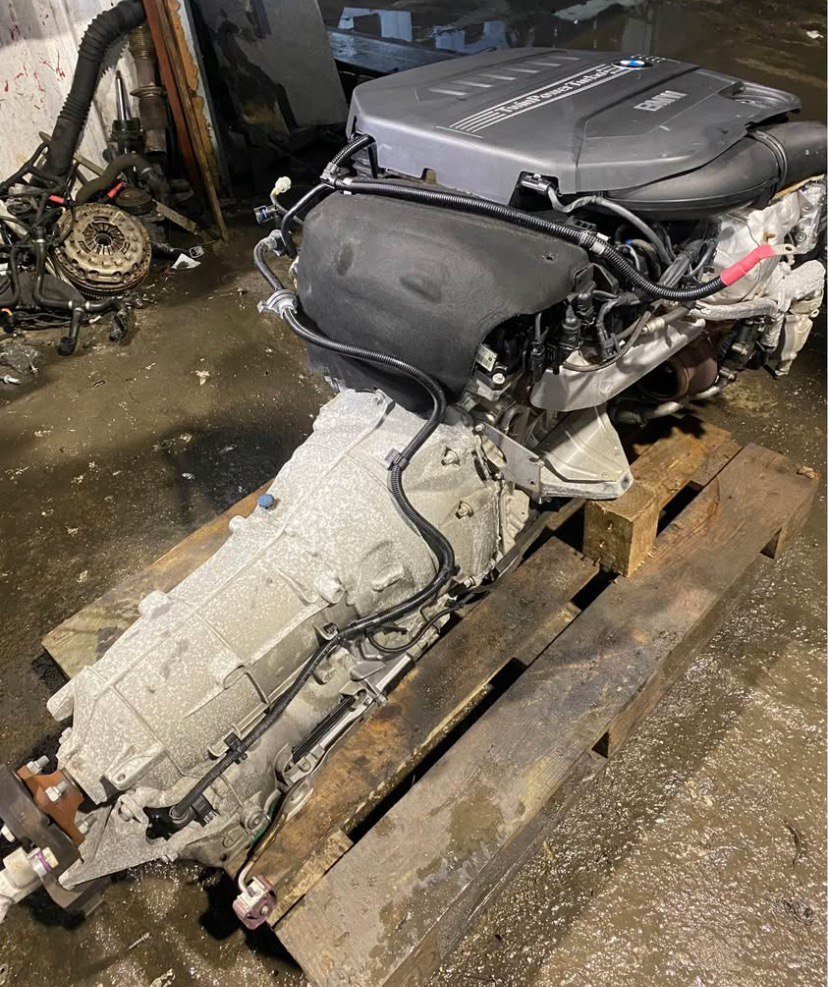 BMW E60 525d M57D25TU Engine 2006, 132,300 km1.883,00 €
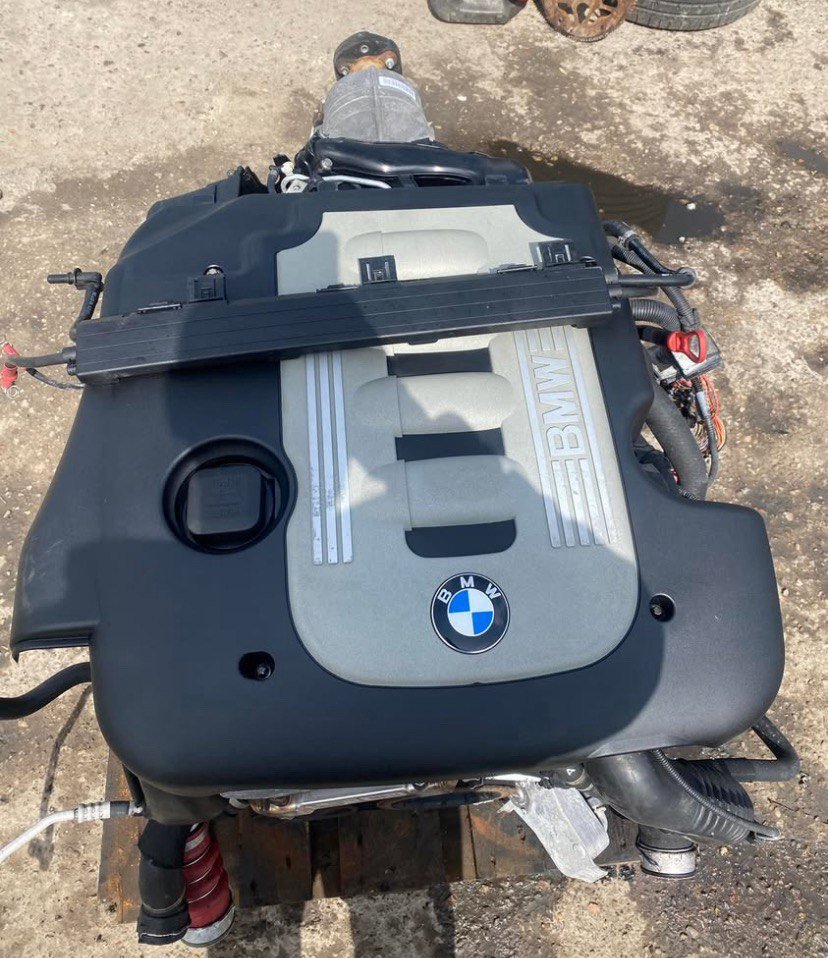 BMW E60 525d M57D25TU Engine 2006, 58,200 km2.318,00 €
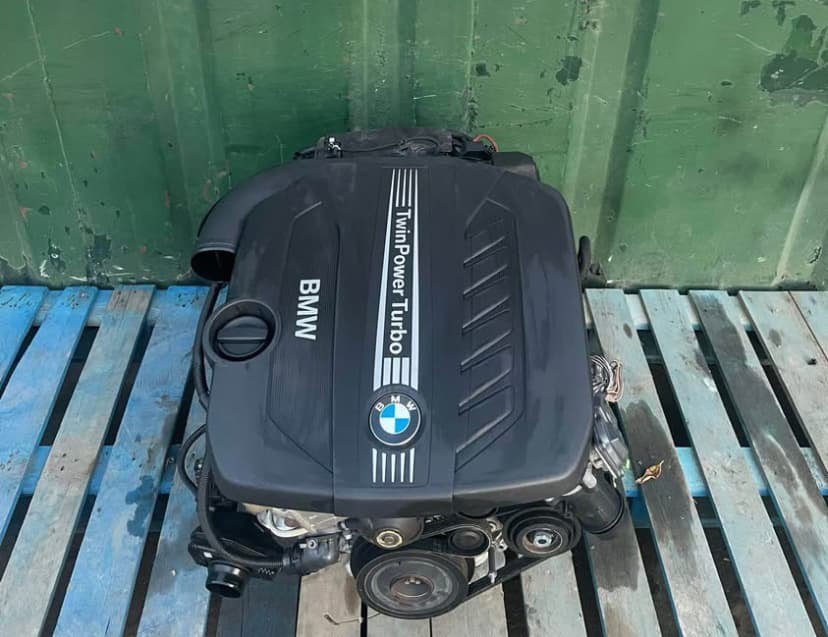 BMW E70 X5 3.0sd M57D30TU2 Engine 2006, 147,800 km3.427,00 €
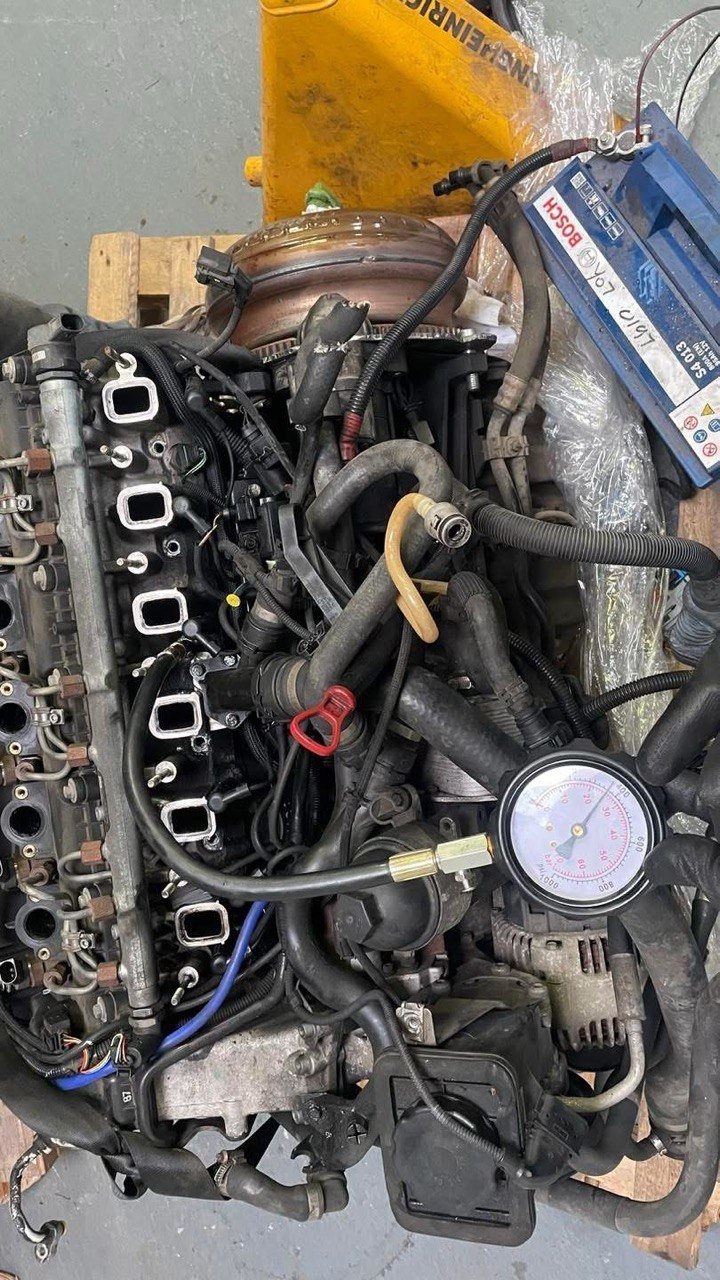 BMW E83 X3 3.0d M57D30TU Engine 2006, 41,800 km3.101,00 €
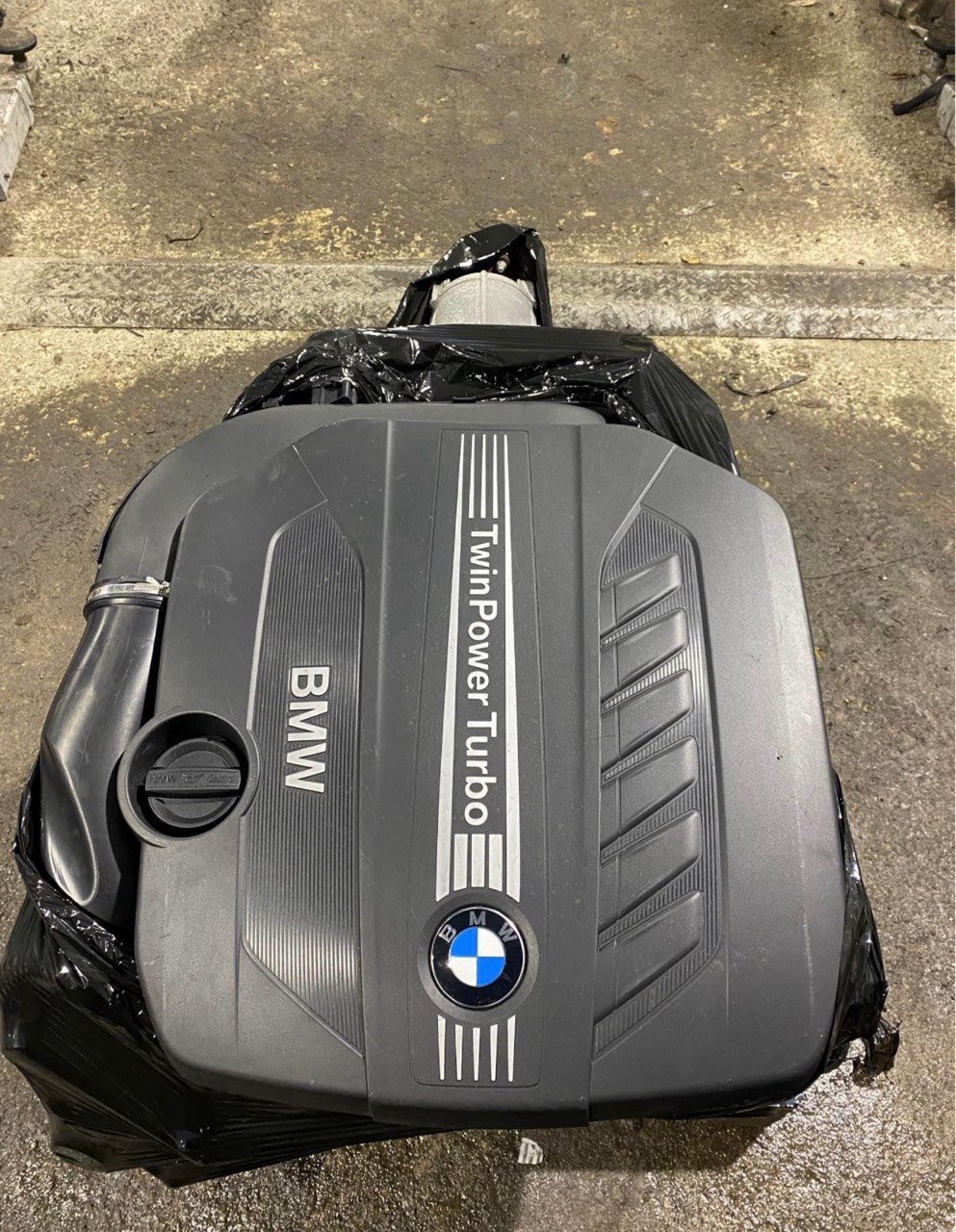 BMW E61 530d M57D30TU Engine 2008, 144,600 km2.708,00 €
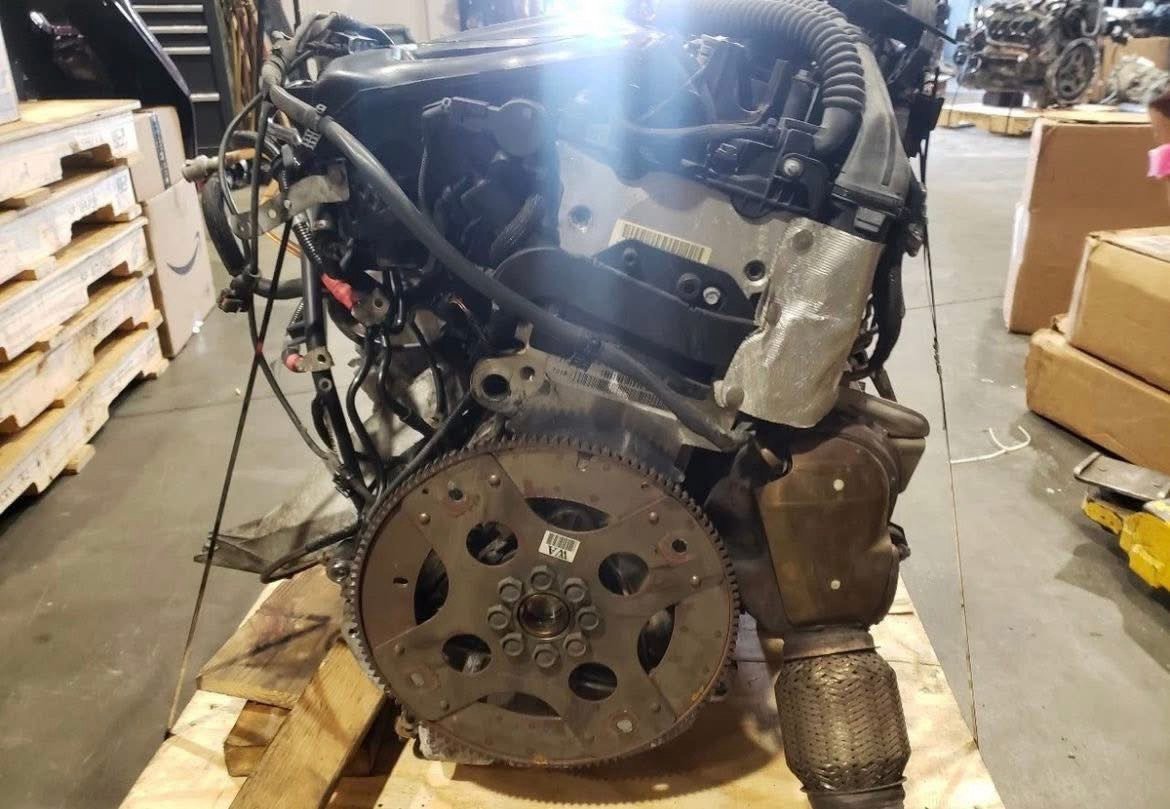 BMW E60 525d M57D25TU Engine 2007, 125,300 km2.453,00 €
BMW E61 525d M57D25TU Engine 2005, 55,600 km — 2.293,00 €, reduced from 3.150,00 €. It comes from a 2005 donor car with 55,600 km, and 29 units are available. Ask the desk for compression figures or extra photographs before you order.
BMW E61 535d M57D30TU2 Engine 2006, 58,000 km — 3.184,00 €, reduced from 4.350,00 €. It comes from a 2006 donor car with 58,000 km, and 20 units are available. The listing shows every side of the engine and the fitted parts.
BMW E60 525d M57D25TU Engine 2004, 39,900 km — 1.805,00 €, reduced from 2.750,00 €. It comes from a 2004 donor car with 39,900 km, and 11 units are available. The listing shows every side of the engine and the fitted parts.
BMW E53 X5 3.0d M57D30TU Engine 2007, 160,400 km — 2.810,00 €, reduced from 3.800,00 €. It comes from a 2007 donor car with 160,400 km, and 15 units are available. The listing shows every side of the engine and the fitted parts.
BMW E60 530d M57D30TU Engine 2003, 193,900 km — 2.628,00 €, reduced from 3.300,00 €. It comes from a 2003 donor car with 193,900 km, and 26 units are available. The listing shows every side of the engine and the fitted parts.
BMW E61 535d M57D30TU2 Engine 2012, 43,500 km — 2.998,00 €, reduced from 3.600,00 €. It comes from a 2012 donor car with 43,500 km, and 29 units are available. The listing shows every side of the engine and the fitted parts.
BMW E60 525d M57D25TU Engine 2006, 132,300 km — 1.883,00 €, reduced from 3.200,00 €. It comes from a 2006 donor car with 132,300 km, and 25 units are available. We can confirm fitment against your VIN the same day.
BMW E60 525d M57D25TU Engine 2006, 58,200 km — 2.318,00 €, reduced from 3.750,00 €. It comes from a 2006 donor car with 58,200 km, and 8 units are available. Ask the desk for compression figures or extra photographs before you order.
BMW E70 X5 3.0sd M57D30TU2 Engine 2006, 147,800 km — 3.427,00 €, reduced from 4.700,00 €. It comes from a 2006 donor car with 147,800 km, and 15 units are available. The listing shows every side of the engine and the fitted parts.
BMW E83 X3 3.0d M57D30TU Engine 2006, 41,800 km — 3.101,00 €, reduced from 4.300,00 €. It comes from a 2006 donor car with 41,800 km, and 13 units are available. We can confirm fitment against your VIN the same day.
BMW E61 530d M57D30TU Engine 2008, 144,600 km — 2.708,00 €, reduced from 4.100,00 €. It comes from a 2008 donor car with 144,600 km, and 15 units are available. We can confirm fitment against your VIN the same day.
BMW E60 525d M57D25TU Engine 2007, 125,300 km — 2.453,00 €, reduced from 3.500,00 €. It comes from a 2007 donor car with 125,300 km, and 15 units are available. Ask the desk for compression figures or extra photographs before you order.
Buying checklist for a BMW E32 and E38 7 Series engine
- Confirm the exact engine code. Read the code stamped on the block and compare it with the code for your car. Send us the last seven characters of the VIN and we confirm the match before anything is paid.
- Ask how the donor car was damaged. Most good used engines come from cars with body damage. A front-end impact can crack sensors, the timing cover or the sump; a rear or side impact usually leaves the engine untouched. The yard records the damage on each unit.
- Compression or leak-down figures. Even compression across all cylinders tells you more than mileage. Ask for the figures, not just a pass or fail, and compare the highest and lowest readings: a spread above 10 to 15 percent deserves a question.
- Look at the oil and coolant. Clean oil without metal particles and coolant without oil are good signs. Milky oil, oily coolant or a burnt smell mean the engine needs further checks before it is fitted.
- Photographs from every side. Good suppliers photograph the actual engine you will receive. Look for the block stamp, the sump, the timing cover and any broken brackets or connectors in the pictures.
- List of what is fitted. Engines are sold with different ancillaries: some have the turbo, injectors, manifolds, alternator and starter, others are long blocks. Agree the list in writing so you know which parts must come from your old engine.
- Sump, oil pickup and drive variants. Rear-drive, xDrive and front-drive cars can use different sumps, oil pickups and engine mounts even with the same engine code. Check that the sump matches your subframe and front axle.
- Gearbox and flywheel match. Manual and automatic engines differ at the flywheel or flexplate, and sometimes at the crankshaft spigot. Make sure the engine you buy matches your gearbox or that you transfer the right parts.
- Warranty terms in writing. Read what the warranty covers, how long it runs and what fitting conditions apply. Most warranties require a qualified workshop, new fluids and filters, and replacement of the cooling parts that caused the original failure.
- Why your old engine failed. Before fitting a replacement, find out why the original failed. An overheating radiator, a blocked intercooler or a failed turbo can destroy a second engine if they are not fixed.
- Turbocharger shaft play and oil. Rotate the compressor wheel by hand. A small amount of side play is normal; in-and-out play or wheel contact with the housing is not. Oil pooled in the intake or intercooler pipes points to worn seals.
- Injector correction values. On a diesel that can be run before removal, the injector correction values show whether one injector is delivering more or less fuel than the others. Large deviations mean an injector is on its way out.
- Swirl flaps. Check whether the swirl flaps are in place, blanked or removed. Broken swirl flaps are a known cause of engine failure on several BMW diesels, so many owners fit blanking plates when the intake is off.
- Timing chain noise. Listen for a rattle at the front of the engine for the first seconds after a cold start. On an engine that cannot be run, look at the chain guides through the oil filler or with the valve cover off.
- VANOS operation. Rough idle, a rattle from the front of the head and a loss of torque at low revs point to VANOS seals or solenoids. These are serviceable parts and are easier to renew with the engine out.
- Bore coating. Early engines with Nikasil bores can be damaged by high-sulphur fuel. A compression or leak-down test is the only reliable check; units with Alusil or iron bores are not affected.
- Originality and numbers. For collectible cars, the engine number and correct ancillaries add value. Photograph the stamp and keep it with the car's documents.
- Both cylinder banks. On a V engine, check compression, plugs and coils on both banks. Faults on one bank alone are common and easy to miss on a quick test.
- Both cylinder banks and both ECUs. V12 engines often use separate management for each bank. Read faults from both and compare compression across all twelve cylinders.
- Plastic cooling parts. Expansion tanks, thermostat housings and water pump impellers made of plastic crack with age. Plan to replace them when the engine is fitted.
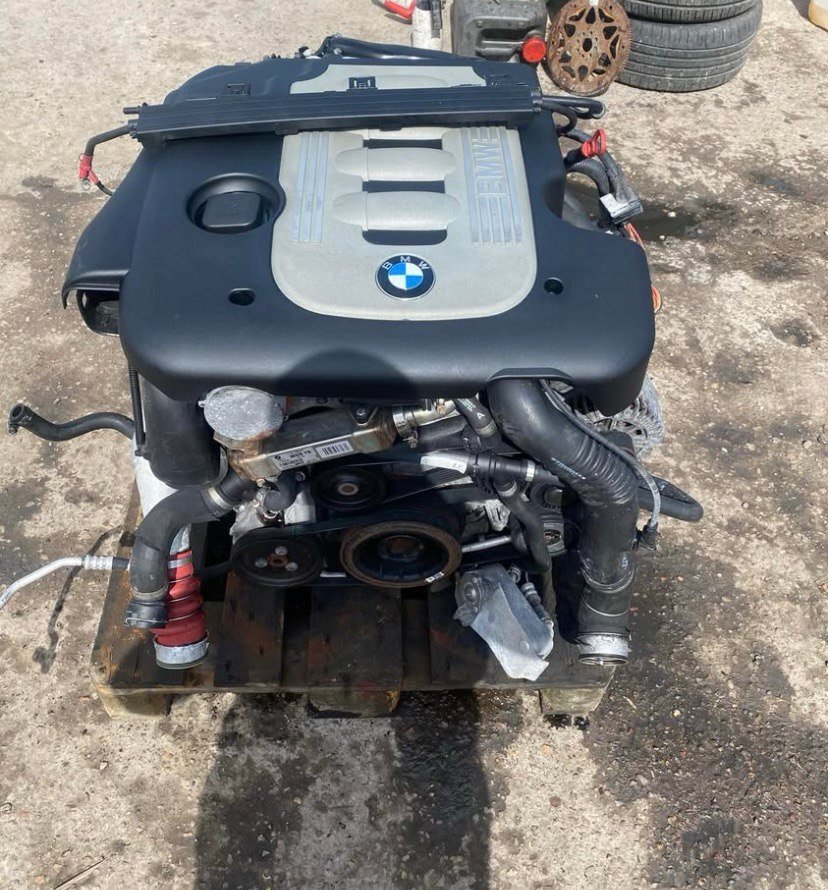
Fitting an engine to your BMW E32 and E38 7 Series
- Compare the engines side by side. Put the replacement next to the old engine and compare sensors, brackets, connectors, the sump, the starter and the flywheel or flexplate. Note anything that must be transferred.
- Transfer the parts that differ. Move the parts that are specific to your car, such as the engine harness on some models, the sump on xDrive cars or the air conditioning compressor bracket. Use new seals and gaskets for everything you move.
- Replace the rear main seal and drive parts. With the engine out, the rear crankshaft seal is easy to reach. Fit a new one, inspect the flywheel and clutch on manual cars or the converter seal on automatics.
- Renew the cooling system. Most engine failures start with cooling. Fit a new water pump, thermostat and hoses, check the radiator and fan, and use the correct coolant.
- Fit new engine mounts. Old mounts transfer vibration and can let the engine move enough to damage hoses. They are cheap and easy to replace with the engine out.
- Inspect or replace the timing chain parts. Look at the guides and tensioner. On high-mileage engines, replacing them now costs far less than doing it later.
- Prepare the turbo. Fit new oil feed and return seals, clean the intercooler and pipes of any oil or debris from the old engine, and prime the turbo with oil before starting.
- Code the injectors and bleed the fuel. Enter the injector correction codes into the ECU, check the glow plugs and bleed the fuel system so the engine does not crank dry.
- Clean the intake. If the old engine failed internally, debris can be in the intake or intercooler. Clean them so nothing reaches the new engine.
- Fill with the right oil and prime it. Fill with new oil of the correct specification and a new filter. Crank with the fuel and ignition disabled until oil pressure builds.
- Coding and adaptations. On modern BMWs, the engine ECU must be matched to the car's immobiliser (CAS, FEM or BDC). Reset adaptations, register the battery and clear faults with diagnostic software.
- Reset VANOS adaptations. Clear the VANOS adaptations so the ECU learns the camshaft positions of the new engine.
- First start and leak check. Start the engine, let it idle and watch oil pressure, temperature and fault codes. Check for leaks and bleed the cooling system.
- First 1,000 km. Drive gently for the first few hundred kilometres, vary the engine speed and avoid full load. Change the oil and filter after about 1,000 km to remove any assembly debris.
Diagnosing engine trouble in a BMW E32 and E38 7 Series
If your current engine is showing one of these symptoms, this table helps you judge whether it can be repaired or whether a replacement engine is the better route.
| Symptom | Likely cause |
|---|---|
| Knocking from the bottom of the engine | A deep knock that rises with engine speed usually means worn rod or main bearings. |
| Overheating or losing coolant | Coolant loss without visible leaks points to a head gasket or a cracked head; visible leaks point to the water pump, hoses, thermostat housing or expansion tank. |
| White smoke that smells sweet | Coolant burning in the cylinders, from a head gasket, a cracked head or, on diesels, a leaking EGR cooler. |
| Blue smoke | Oil burning in the cylinders. |
| Rough idle or misfire | Ignition coils, spark plugs, injectors and vacuum leaks are the usual causes. |
| Loss of power | Start with the simple things: air filter, boost leaks on turbo engines, fuel pressure and fault codes. |
| Rattle for a few seconds after a cold start | The classic sign of a weak timing chain tensioner or stretched chain. |
| Whistle, loss of boost or limp mode | A split charge pipe, a sticking wastegate or worn turbo bearings. |
| Black smoke under acceleration | Too much fuel for the air available: boost leaks, a sticking EGR valve, a dirty air mass meter or a leaking injector. |
| Hard starting when cold | Glow plugs or the glow plug control unit. |
| Sudden metallic noise followed by misfire | On diesels with swirl flaps, a broken flap or screw can enter a cylinder. |
| Poor low-down torque and uneven idle | VANOS seals or solenoids. |
| Hard starting when warm and low compression | On engines with Nikasil bores, the bore coating may be damaged. |
Knocking from the bottom of the engine. A deep knock that rises with engine speed usually means worn rod or main bearings. Stop driving: bearing failure ends with a broken connecting rod. A used engine is normally the most economical fix once the bottom end is damaged.
Overheating or losing coolant. Coolant loss without visible leaks points to a head gasket or a cracked head; visible leaks point to the water pump, hoses, thermostat housing or expansion tank. Overheating should be fixed before it warps the head.
White smoke that smells sweet. Coolant burning in the cylinders, from a head gasket, a cracked head or, on diesels, a leaking EGR cooler. Check the coolant level and look for oil in the coolant.
Blue smoke. Oil burning in the cylinders. A puff on start-up points to valve stem seals; constant smoke under load points to piston rings or, on turbo engines, turbo seals.
Rough idle or misfire. Ignition coils, spark plugs, injectors and vacuum leaks are the usual causes. A misfire on one cylinder that moves when you swap coils is a coil; one that stays is a plug, injector or compression problem.
Loss of power. Start with the simple things: air filter, boost leaks on turbo engines, fuel pressure and fault codes. A gradual loss with poor compression on a test points to internal wear.
Rattle for a few seconds after a cold start. The classic sign of a weak timing chain tensioner or stretched chain. It must be checked quickly: a chain that jumps a tooth can bend valves.
Whistle, loss of boost or limp mode. A split charge pipe, a sticking wastegate or worn turbo bearings. Check the pipes first, then the turbo shaft for play.
Black smoke under acceleration. Too much fuel for the air available: boost leaks, a sticking EGR valve, a dirty air mass meter or a leaking injector.
Hard starting when cold. Glow plugs or the glow plug control unit. On older diesels, also check the injection pump and fuel lines for air leaks.
Sudden metallic noise followed by misfire. On diesels with swirl flaps, a broken flap or screw can enter a cylinder. Stop the engine immediately; continued running usually destroys the piston and head.
Poor low-down torque and uneven idle. VANOS seals or solenoids. The engine may run well at high revs but feel flat and lumpy at low speed.
Hard starting when warm and low compression. On engines with Nikasil bores, the bore coating may be damaged. A leak-down test confirms it.
Repair or replace the engine in your BMW E32 and E38 7 Series?
Repair makes sense when the fault is outside the engine or in a part that can be replaced without opening it: sensors, coils, injectors, gaskets, the water pump or a turbo. Replacement makes sense when the bottom end, the crankshaft, the bores or the head are damaged, because rebuilding an engine properly costs more than a good used unit.
Ask your workshop for a written diagnosis before deciding. A compression test, an oil analysis and a borescope inspection take an hour or two and remove most of the guesswork.
Delivery, warranty and payment
Every BMW E32 and E38 7 Series engine we sell is drained, sealed at each opening, strapped to a heat-treated pallet and shrink-wrapped before it leaves Hamburg. You receive photographs of the packed engine and a tracking number.
Delivery is door to door and included in the price. Most European addresses receive the engine within five to ten working days; Germany and its neighbours are usually faster.
A 12-month warranty covers eligible internal failure when the engine is fitted by a qualified workshop with new fluids and filters. You can pay by card, bank transfer or crypto and receive the invoice by email straight away.
We deliver BMW E32 and E38 7 Series engines from Hamburg to customers across Europe and beyond. Typical door-to-door times and customs status:
| Country | Typical delivery | Customs and VAT |
|---|---|---|
| Germany | 2–4 working days | No customs; German VAT on the invoice |
| Netherlands | 3–5 working days | EU delivery, no customs |
| Belgium | 3–5 working days | EU delivery, no customs |
| Austria | 3–5 working days | EU delivery, no customs |
| Denmark | 3–5 working days | EU delivery, no customs |
| Poland | 3–6 working days | EU delivery, no customs |
| Czech Republic | 3–6 working days | EU delivery, no customs |
| France | 4–7 working days | EU delivery, no customs |
| Italy | 5–8 working days | EU delivery, no customs |
| Spain | 5–8 working days | EU delivery, no customs |
| Portugal | 6–9 working days | EU delivery, no customs |
| Sweden | 5–8 working days | EU delivery, no customs |
| Norway | 6–10 working days | Export; import VAT and duty in Norway |
| Switzerland | 5–8 working days | Export; import VAT and duty in Switzerland |
| United Kingdom | 5–10 working days | Export; UK import VAT and duty on arrival |
| Ireland | 6–10 working days | EU delivery, no customs |
| United States | Quoted per order | Export; US import duties apply |
| United Arab Emirates | Quoted per order | Export; UAE import duties apply |
Times are typical for pallet delivery after dispatch and can vary with holidays and remote addresses. Business buyers in the EU with a valid VAT number can order without German VAT.
Questions about BMW E32 and E38 7 Series engines
Will the M30B35 engine fit my BMW E32 735i?
Yes, if your BMW E32 735i was built with the M30B35. BMW used this 3.5 liter (3,430 cc) petrol engine with 155 kW (211 HP) in the E32 735i from about 1982 to 1993.
In our records the M30B35 is the engine for the E32 735i, which makes the match simple. Still, check the code on your old engine or send us your VIN.
Also tell us if your E32 has a manual or an automatic gearbox. The flywheel or the flex plate and some sensors depend on it.
Not sure? Send us your VIN and your gearbox code. We match the engine family, the year window and the parts on the engine before anything is reserved, and the check is free.
See all M30 Engines · Search M30B35 in the shop
How much is a replacement M30B35 engine for a BMW E32 735i?
A used M30B35 for the BMW E32 735i costs from about 1.800 € to 2.950 € in our yard. The price depends on the year, the mileage and the parts that come with the engine.
Shipping is a flat 249 € per order. It is added once at checkout and printed on the invoice, so there is no extra fee later. Inside the EU there is no import duty. Outside the EU, the receiver pays local duty and VAT.
A replacement engine is often much cheaper than rebuilding a damaged one, and much faster. The M30B35 you buy is photographed and checked in Hamburg before it is listed.
Eligible engines come with a 12 months warranty from the delivery date. It covers internal mechanical failure under normal use and correct fitting by a qualified mechanic or workshop. Not sure? Send us your VIN and your gearbox code. We match the engine family, the year window and the parts on the engine before anything is reserved, and the check is free.
See all M30 Engines · Search M30B35 in the shop
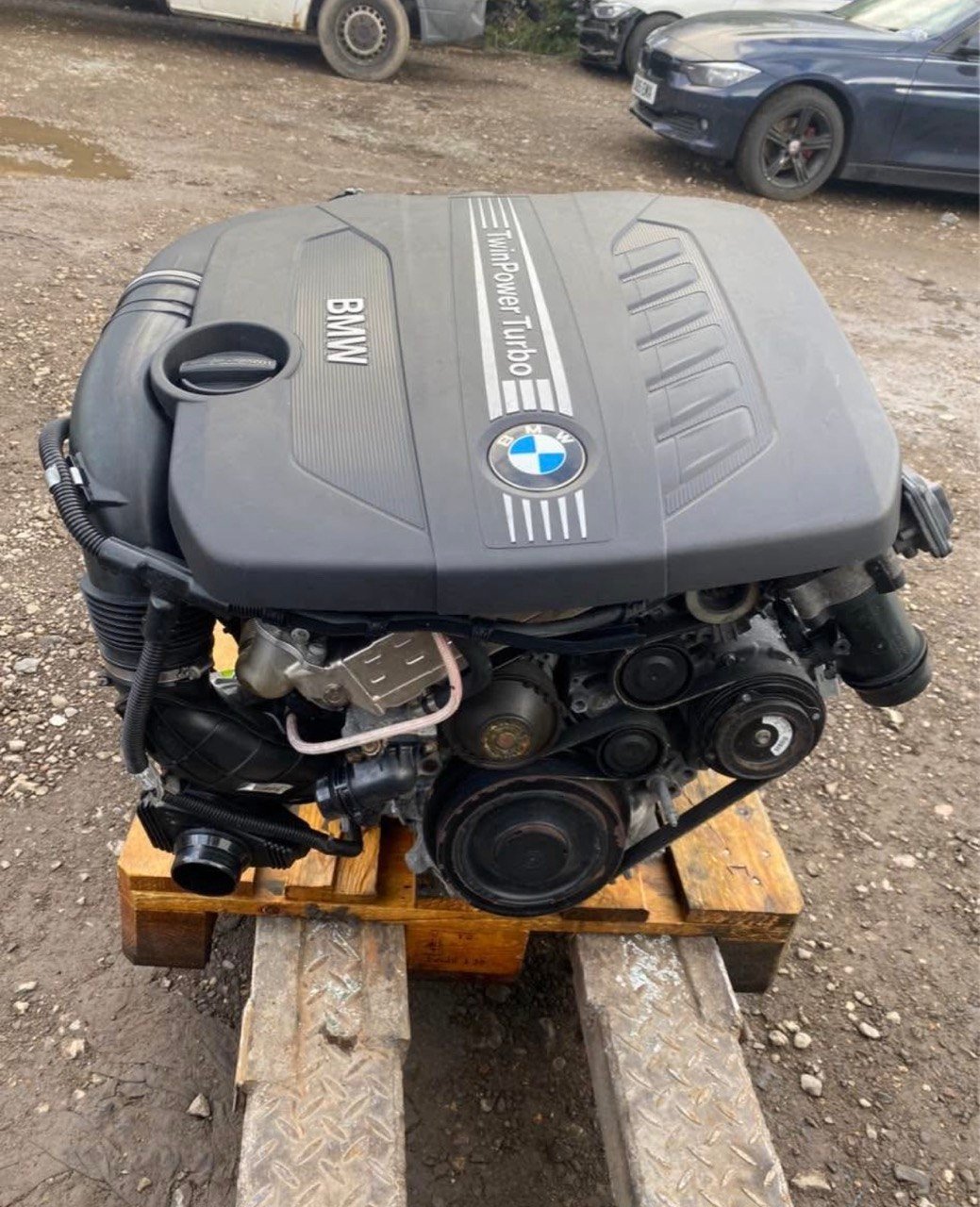
Will the M52B28 engine fit my BMW E38 728i?
Yes, if your BMW E38 728i was built with the M52B28. BMW used this 2.8 liter (2,793 cc) petrol engine with 142 kW (193 HP) in the E38 728i from about 1995 to 2000.
In our records the M52B28 is the engine for the E38 728i, which makes the match simple. Still, check the code on your old engine or send us your VIN.
Also tell us if your E38 has a manual or an automatic gearbox. The flywheel or the flex plate and some sensors depend on it.
Not sure? Send us your VIN and your gearbox code. We match the engine family, the year window and the parts on the engine before anything is reserved, and the check is free.
See all M52 Engines · Search M52B28 in the shop
How much is a replacement M52B28 engine for a BMW E38 728i?
A used M52B28 for the BMW E38 728i costs from about 1.500 € to 2.450 € in our yard. The price depends on the year, the mileage and the parts that come with the engine.
Shipping is a flat 249 € per order. It is added once at checkout and printed on the invoice, so there is no extra fee later. Inside the EU there is no import duty. Outside the EU, the receiver pays local duty and VAT.
A replacement engine is often much cheaper than rebuilding a damaged one, and much faster. The M52B28 you buy is photographed and checked in Hamburg before it is listed.
Eligible engines come with a 12 months warranty from the delivery date. It covers internal mechanical failure under normal use and correct fitting by a qualified mechanic or workshop. Not sure? Send us your VIN and your gearbox code. We match the engine family, the year window and the parts on the engine before anything is reserved, and the check is free.
See all M52 Engines · Search M52B28 in the shop
Will the M60B40 engine fit my BMW E32 740i?
Yes, if your BMW E32 740i was built with the M60B40. BMW used this 4.0 liter (3,982 cc) petrol engine with 210 kW (286 HP) in the E32 740i from about 1992 to 1996.
In our records the M60B40 is the engine for the E32 740i, which makes the match simple. Still, check the code on your old engine or send us your VIN.
Also tell us if your E32 has a manual or an automatic gearbox. The flywheel or the flex plate and some sensors depend on it.
Not sure? Send us your VIN and your gearbox code. We match the engine family, the year window and the parts on the engine before anything is reserved, and the check is free.
See all M60 Engines · Search M60B40 in the shop
How much is a replacement M60B40 engine for a BMW E32 740i?
A used M60B40 for the BMW E32 740i costs from about 2.000 € to 3.200 € in our yard. The price depends on the year, the mileage and the parts that come with the engine.
Shipping is a flat 249 € per order. It is added once at checkout and printed on the invoice, so there is no extra fee later. Inside the EU there is no import duty. Outside the EU, the receiver pays local duty and VAT.
A replacement engine is often much cheaper than rebuilding a damaged one, and much faster. The M60B40 you buy is photographed and checked in Hamburg before it is listed.
Eligible engines come with a 12 months warranty from the delivery date. It covers internal mechanical failure under normal use and correct fitting by a qualified mechanic or workshop. Not sure? Send us your VIN and your gearbox code. We match the engine family, the year window and the parts on the engine before anything is reserved, and the check is free.
See all M60 Engines · Search M60B40 in the shop
Will the M60B30 engine fit my BMW E32 730i?
Yes, if your BMW E32 730i was built with the M60B30. BMW used this 3.0 liter (2,997 cc) petrol engine with 160 kW (218 HP) in the E32 730i from about 1992 to 1996.
In our records the M60B30 is the engine for the E32 730i, which makes the match simple. Still, check the code on your old engine or send us your VIN.
Also tell us if your E32 has a manual or an automatic gearbox. The flywheel or the flex plate and some sensors depend on it.
Not sure? Send us your VIN and your gearbox code. We match the engine family, the year window and the parts on the engine before anything is reserved, and the check is free.
See all M60 Engines · Search M60B30 in the shop
How much is a replacement M60B30 engine for a BMW E32 730i?
A used M60B30 for the BMW E32 730i costs from about 1.650 € to 2.700 € in our yard. The price depends on the year, the mileage and the parts that come with the engine.
Shipping is a flat 249 € per order. It is added once at checkout and printed on the invoice, so there is no extra fee later. Inside the EU there is no import duty. Outside the EU, the receiver pays local duty and VAT.
A replacement engine is often much cheaper than rebuilding a damaged one, and much faster. The M60B30 you buy is photographed and checked in Hamburg before it is listed.
Eligible engines come with a 12 months warranty from the delivery date. It covers internal mechanical failure under normal use and correct fitting by a qualified mechanic or workshop. Not sure? Send us your VIN and your gearbox code. We match the engine family, the year window and the parts on the engine before anything is reserved, and the check is free.
See all M60 Engines · Search M60B30 in the shop
Will the M62B44 engine fit my BMW E38 740i?
Yes, if your BMW E38 740i was built with the M62B44. BMW used this 4.4 liter (4,398 cc) petrol engine with 210 kW (286 HP) in the E38 740i from about 1996 to 2003.
In our records the M62B44 is the engine for the E38 740i, which makes the match simple. Still, check the code on your old engine or send us your VIN.
Also tell us if your E38 has a manual or an automatic gearbox. The flywheel or the flex plate and some sensors depend on it.
Not sure? Send us your VIN and your gearbox code. We match the engine family, the year window and the parts on the engine before anything is reserved, and the check is free.
See all M62 Engines · Search M62B44 in the shop
How much is a replacement M62B44 engine for a BMW E38 740i?
A used M62B44 for the BMW E38 740i costs from about 1.800 € to 2.950 € in our yard. The price depends on the year, the mileage and the parts that come with the engine.
Shipping is a flat 249 € per order. It is added once at checkout and printed on the invoice, so there is no extra fee later. Inside the EU there is no import duty. Outside the EU, the receiver pays local duty and VAT.
A replacement engine is often much cheaper than rebuilding a damaged one, and much faster. The M62B44 you buy is photographed and checked in Hamburg before it is listed.
Eligible engines come with a 12 months warranty from the delivery date. It covers internal mechanical failure under normal use and correct fitting by a qualified mechanic or workshop. Not sure? Send us your VIN and your gearbox code. We match the engine family, the year window and the parts on the engine before anything is reserved, and the check is free.
See all M62 Engines · Search M62B44 in the shop
Will the M62B35 engine fit my BMW E38 735i?
Yes, if your BMW E38 735i was built with the M62B35. BMW used this 3.5 liter (3,498 cc) petrol engine with 173 kW (235 HP) in the E38 735i from about 1996 to 1998.
In our records the M62B35 is the engine for the E38 735i, which makes the match simple. Still, check the code on your old engine or send us your VIN.
Also tell us if your E38 has a manual or an automatic gearbox. The flywheel or the flex plate and some sensors depend on it.
Not sure? Send us your VIN and your gearbox code. We match the engine family, the year window and the parts on the engine before anything is reserved, and the check is free.
See all M62 Engines · Search M62B35 in the shop
How much is a replacement M62B35 engine for a BMW E38 735i?
A used M62B35 for the BMW E38 735i costs from about 1.500 € to 2.450 € in our yard. The price depends on the year, the mileage and the parts that come with the engine.
Shipping is a flat 249 € per order. It is added once at checkout and printed on the invoice, so there is no extra fee later. Inside the EU there is no import duty. Outside the EU, the receiver pays local duty and VAT.
A replacement engine is often much cheaper than rebuilding a damaged one, and much faster. The M62B35 you buy is photographed and checked in Hamburg before it is listed.
Eligible engines come with a 12 months warranty from the delivery date. It covers internal mechanical failure under normal use and correct fitting by a qualified mechanic or workshop. Not sure? Send us your VIN and your gearbox code. We match the engine family, the year window and the parts on the engine before anything is reserved, and the check is free.
See all M62 Engines · Search M62B35 in the shop
Will the M70B50 engine fit my BMW E32 750i?
Yes, if your BMW E32 750i was built with the M70B50. BMW used this 5.0 liter (4,988 cc) petrol engine with 220 kW (300 HP) in the E32 750i from about 1987 to 1994.
In our records the M70B50 is the engine for the E32 750i, which makes the match simple. Still, check the code on your old engine or send us your VIN.
Also tell us if your E32 has a manual or an automatic gearbox. The flywheel or the flex plate and some sensors depend on it.
Not sure? Send us your VIN and your gearbox code. We match the engine family, the year window and the parts on the engine before anything is reserved, and the check is free.
See all M70 Engines · Search M70B50 in the shop
How much is a replacement M70B50 engine for a BMW E32 750i?
A used M70B50 for the BMW E32 750i costs from about 3.850 € to 5.950 € in our yard. The price depends on the year, the mileage and the parts that come with the engine.
Shipping is a flat 249 € per order. It is added once at checkout and printed on the invoice, so there is no extra fee later. Inside the EU there is no import duty. Outside the EU, the receiver pays local duty and VAT.
A replacement engine is often much cheaper than rebuilding a damaged one, and much faster. The M70B50 you buy is photographed and checked in Hamburg before it is listed.
Eligible engines come with a 12 months warranty from the delivery date. It covers internal mechanical failure under normal use and correct fitting by a qualified mechanic or workshop. Not sure? Send us your VIN and your gearbox code. We match the engine family, the year window and the parts on the engine before anything is reserved, and the check is free.
See all M70 Engines · Search M70B50 in the shop
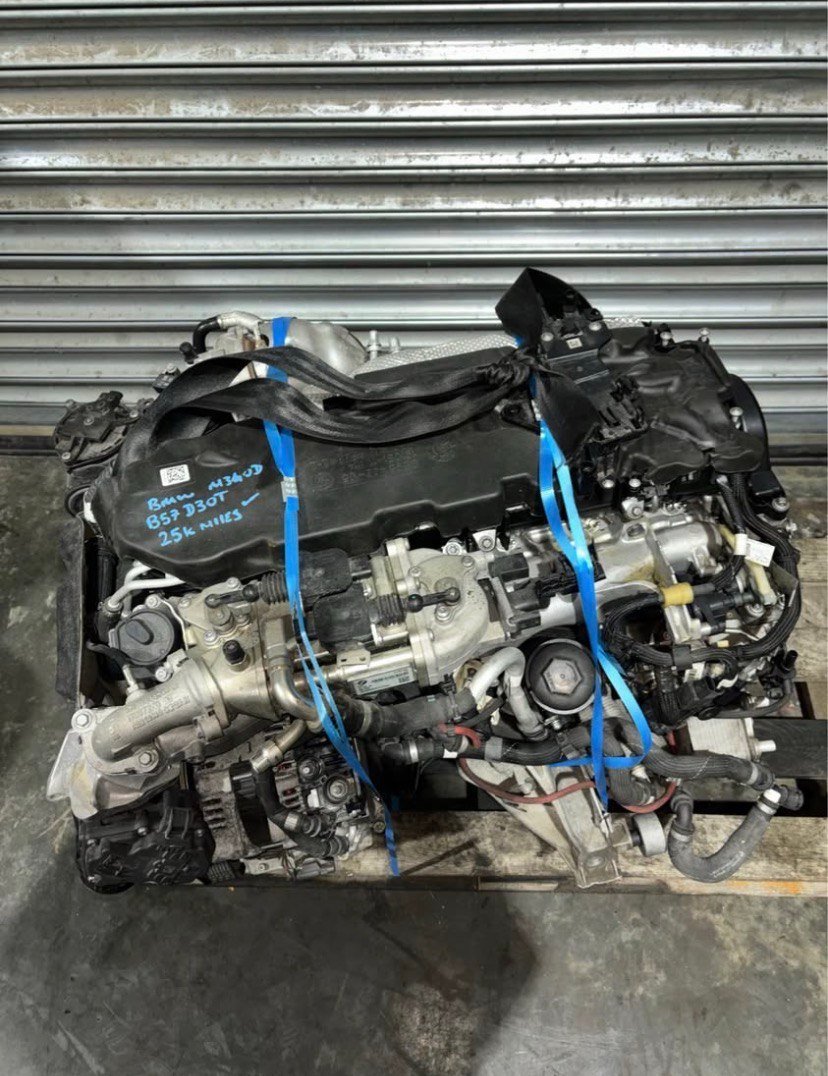
Will the M73B54 engine fit my BMW E38 750i?
Yes, if your BMW E38 750i was built with the M73B54. BMW used this 5.4 liter (5,379 cc) petrol engine with 240 kW (326 HP) in the E38 750i from about 1994 to 2001.
In our records the M73B54 is the engine for the E38 750i, which makes the match simple. Still, check the code on your old engine or send us your VIN.
Also tell us if your E38 has a manual or an automatic gearbox. The flywheel or the flex plate and some sensors depend on it.
Not sure? Send us your VIN and your gearbox code. We match the engine family, the year window and the parts on the engine before anything is reserved, and the check is free.
See all M73 Engines · Search M73B54 in the shop
How much is a replacement M73B54 engine for a BMW E38 750i?
A used M73B54 for the BMW E38 750i costs from about 4.150 € to 6.450 € in our yard. The price depends on the year, the mileage and the parts that come with the engine.
Shipping is a flat 249 € per order. It is added once at checkout and printed on the invoice, so there is no extra fee later. Inside the EU there is no import duty. Outside the EU, the receiver pays local duty and VAT.
A replacement engine is often much cheaper than rebuilding a damaged one, and much faster. The M73B54 you buy is photographed and checked in Hamburg before it is listed.
Eligible engines come with a 12 months warranty from the delivery date. It covers internal mechanical failure under normal use and correct fitting by a qualified mechanic or workshop. Not sure? Send us your VIN and your gearbox code. We match the engine family, the year window and the parts on the engine before anything is reserved, and the check is free.
See all M73 Engines · Search M73B54 in the shop
Glossary
- VANOS — BMW's variable camshaft timing system. It adjusts the intake camshaft (single VANOS) or both camshafts (double VANOS) to improve torque and emissions.
- Wastegate — A valve that lets exhaust gas bypass the turbine to control boost pressure. Worn wastegates rattle and can cause boost faults.
- EGR — Exhaust gas recirculation. It feeds some exhaust back into the intake to reduce NOx emissions but builds up soot.
- Swirl flaps — Flaps in the intake manifold that create swirl at low revs. On some BMW diesels they can break and enter the engine.
- Common rail — A diesel injection system with a high-pressure fuel rail feeding all injectors. It allows precise, multiple injections per cycle.
- Nikasil — A nickel-silicon carbide coating used on the cylinder bores of some BMW engines in the 1990s. It was damaged by high-sulphur fuel.
- Long block — An engine with the block, head and internals but without most ancillaries such as manifolds, turbo, alternator or starter.
- Dressed engine — An engine with most ancillaries fitted, ready to install with fewer parts transferred.
- Compression test — A measurement of the pressure each cylinder builds when cranked. Even readings show healthy rings and valves.
- Leak-down test — A test that pressurises each cylinder and measures how much air escapes, showing where any leak is.
- LCI — Life Cycle Impulse, BMW's name for a mid-life update. Engines often change at the LCI.
- xDrive — BMW's all-wheel-drive system. xDrive cars often use a different sump and oil pickup.
- DME — Digital Motor Electronics, BMW's name for the engine control unit.
- CAS, FEM and BDC — The immobiliser and body modules that must be matched to the engine control unit on modern BMWs.
- Timing chain tensioner — A hydraulic or spring device that keeps the timing chain tight. Worn tensioners cause cold-start rattle.
- TU — Technical Update, BMW's suffix for a revised version of an engine.
Our verdict
The BMW E32 and E38 7 Series offers a wide choice of engines, and the right replacement depends on your exact model, build date and gearbox. Confirm the code with your VIN, choose a unit with known history, replace the known weak parts while it is out, and the car will be back on the road for years.
See every BMW E32 and E38 7 Series engine in stock, or ask the Hamburg desk to check your VIN.
Model-by-model engine guides
- BMW 735i (E32 and E38) engine: which one, problems and replacement
- BMW 730i (E32) engine: which one, problems and replacement
- BMW 740i (E32 and E38) engine: which one, problems and replacement
- BMW 750i (E32 and E38) engine: which one, problems and replacement
- BMW 730d (E38) engine: which one, problems and replacement
- BMW 740d (E38) engine: which one, problems and replacement